|
“The lemon is delightfully versatile. We take it for granted as we peruse the greengrocer’s shelf, and without thinking about it, we buy one or two along with a bunch of parsley—sometimes before even deciding what we might be cooking for dinner. Sometimes lemon juice is incorporated into a dish during the early stages of preparation and sometimes it is added after cooking. Even the zest is often an integral part of a recipe and should never be tossed away.
The smart cook adds some lemon juice to brighten a sauce, add piquancy to a marinade, and season a mayonnaise. He may also wrap the oily lemon leaves around fish when grilling to keep it moist. The baker fills pie shells with silken, sweet and tart lemon cream, melts the juice with sugar to glaze a cake, and preserves the peel to add delicious perfume to desserts...
Lemons are like salt—they bring out the flavors of food.” Christopher Idone
|
|
|
Christopher Idone was both acclaimed chef and award winning culinary writer. His journalism appeared in publications such as the New York Times Magazine, and House & Garden. His many best-selling books include the celebrated Glorious American Food. His book Lemons (A Country Garden Cookbook), newly added to ckbk, is a delight—as is clear from the lyrical introduction, above.
|
|
|
|
Pictured above: Pan-Seared Salmon with Lemon Cilantro Pesto from Lemons by Christopher Idone
|
|
In the kitchen with Anne of Green Gables
|
|
“I had one chocolate caramel once two years ago and it was simply delicious. I’ve often dreamed since then that I had a lot of chocolate caramels, but I always wake up just when I’m going to eat them.” Anne Shirley, Chapter III
As explored in our recent feature on food in fiction, the food we find in stories matters, and this starts in childhood. From cake batter in Maurice Sendak’s In The Night Kitchen, to the Turkish Delight that proves so dangerously tempting in The Lion, the Witch and the Wardrobe, what those characters that become our childhood friends are eating, sets the scene and brings us into their worlds.
|
|
Ingredient focus: bell peppers
|
|
|
Bell peppers are a member of the capsicum family, which includes the chilli, and are not related to the spice pepper. It is thought that the name may refer to the heat in some capsicums, and come from the fact that bell peppers resemble small bells. They can be white or purple, but are most commonly green and red—the green ones ripen into red.
|
|
|
They are indigenous to Central America, South America and Mexico, but arrived in Spain in the late 1400s, and from there travelled throughout Europe and into Asia.
Sweet and with a delicate warmth—the green also containing an appealing bitterness—bell peppers can be eaten raw. They are an asset to a dish of crudités. They are also served charred, roasted, braised, or stir-fried, in a great array of dishes from across many cuisines.
|
|
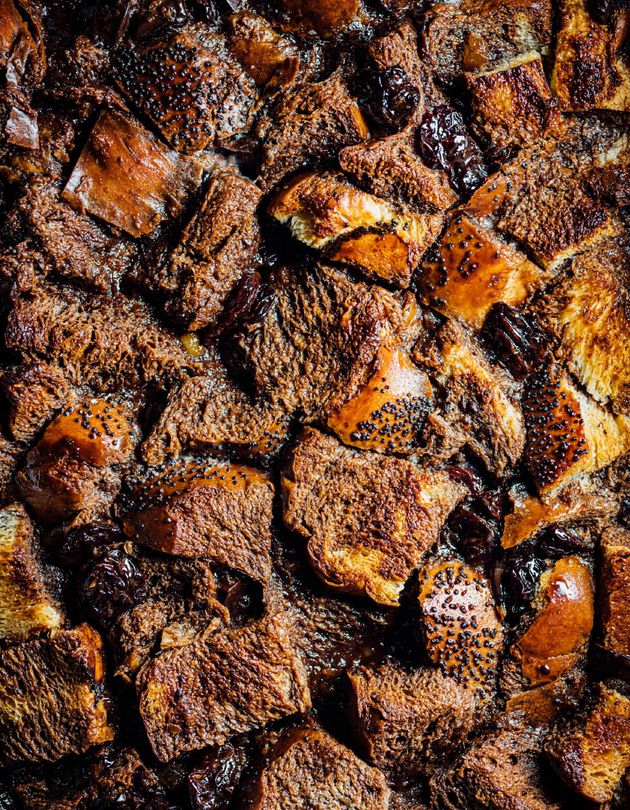
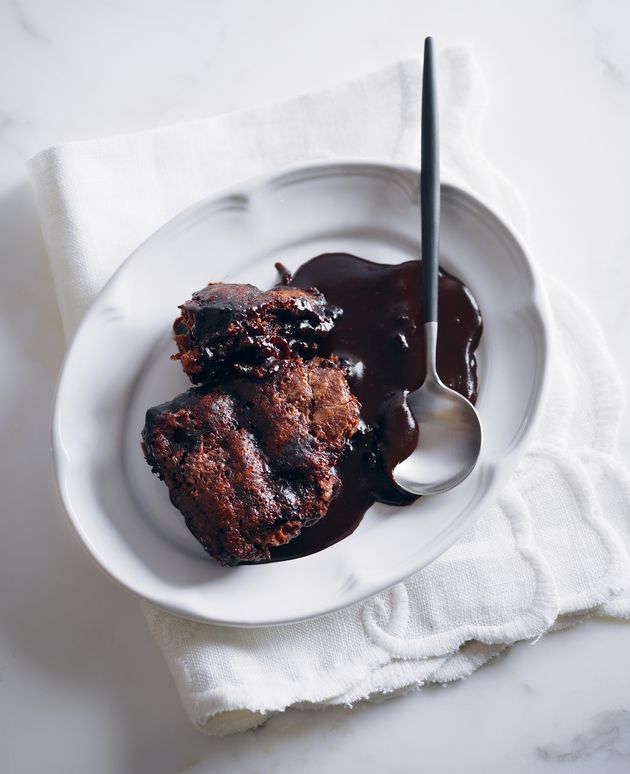
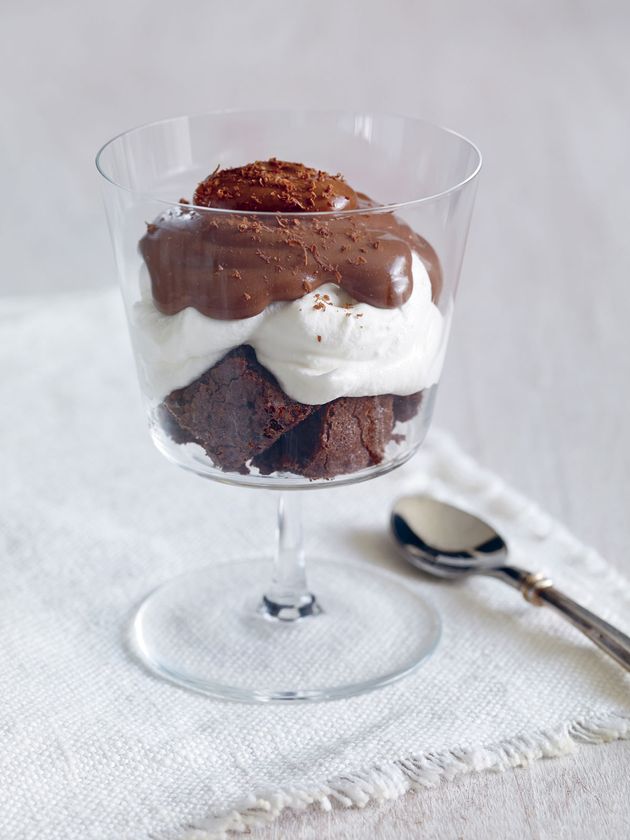
6 of the best chocolate puddings
Chocolate and pudding, each a word to inspire happy hunger, to tempt. Combine them and you have a foodie fast-track to joy. Here are six chocolate puddings for you!
|
|
|
|

|
|
from The Best of Floyd by Keith Floyd
|
|
|
|
from The Flavor Equation by Nik Sharma
|
|
|

|
|
from Instant Pot Asian Pressure Cooker Meals by Patricia Tanumihardja
|
|
|
|
from Back to Baking by Anna Olson
|
|
|

|
|
from Eat Caribbean by Virginia Burke
|
|
|
|
from Guittard Chocolate Cookbook by Amy Guittard
|
|
|
|
|
|
|
|
|
|
|
|


