
Advertisement
Cooking with Kids: Part 2 – A Few Fundamentals
21 January 2026 · Young cooks
Cooking with Kids is a 4-part series designed to get kids into the kitchen with simple, delicious recipes that unlock the mysteries of cooking. The series is authored by Carolyn Federman, Founder of the Charlie Cart Project—a program that teaches kids fundamental cooking skills in schools, libraries and other community organizations throughout the United States. Part 1 – Kids in the Kitchen highlighted recipes from across the ckbk archive, starting with familiar tastes and setting the stage for a love of cooking. With Part 2 - A Few Fundamentals we move on to explore the collection with an eye toward building fundamental cooking skills. Looking for more recipes to cook together with your kids? Stay tuned for Parts 3 + 4 later this year. If you enjoy this series and have cooked some of these dishes with your family, let us know how it went!
Welcome back to Cooking with Kids! In this second installment of the series, I have chosen recipes that stay true to Charlie Cart’s goals of introducing new flavors while keeping cooking accessible through simple yet exciting, hands-on tasks. These ‘Cooking Fundamentals’ may look quite different from other cookbooks! Rather than focus on technique, these recipes introduce and reinforce specific concepts: Vegetables are easy and delicious; “Assembling things” like salads and sandwiches counts as cooking!; Herbs and spices are game changers in the kitchen – get to know them. While you’re chopping, smelling and tasting your way through these lessons (isn’t a recipe always a lesson?) you and your child will also have a chance to practice knife skills, learn about different cooking techniques and begin to appreciate the “layers” of flavor created by herbs and spices.
Chilly winters are ideal for afternoons spent learning, tasting and exploring new cultures together in the kitchen. With this exciting collection of recipes, you can’t go wrong.
Kitchen Fundamental #1: Vegetables are Magic
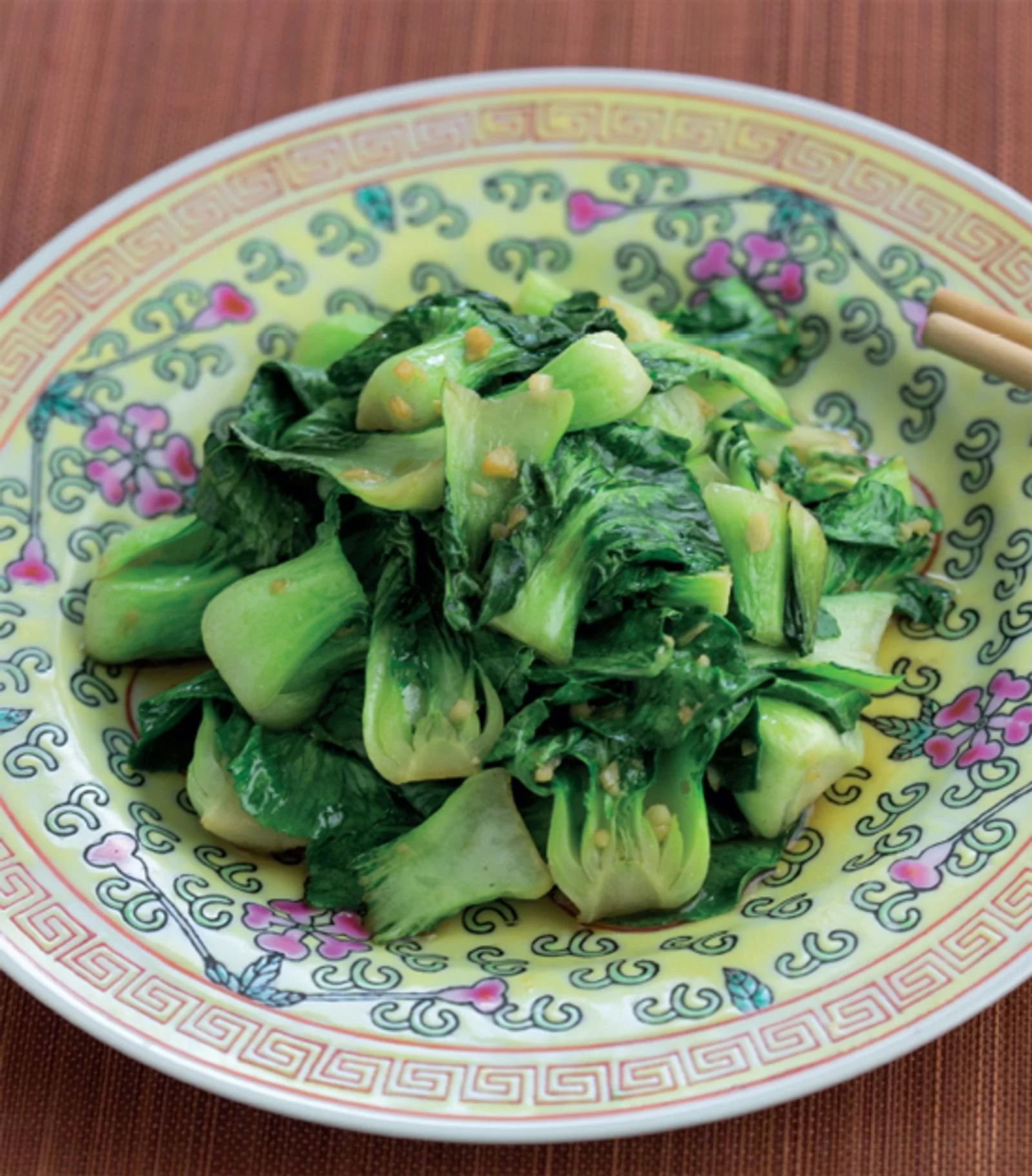
Baby Bok Choy with Ginger and Garlic from Katie Chin's Everyday Chinese Cookbook by Katie Chin
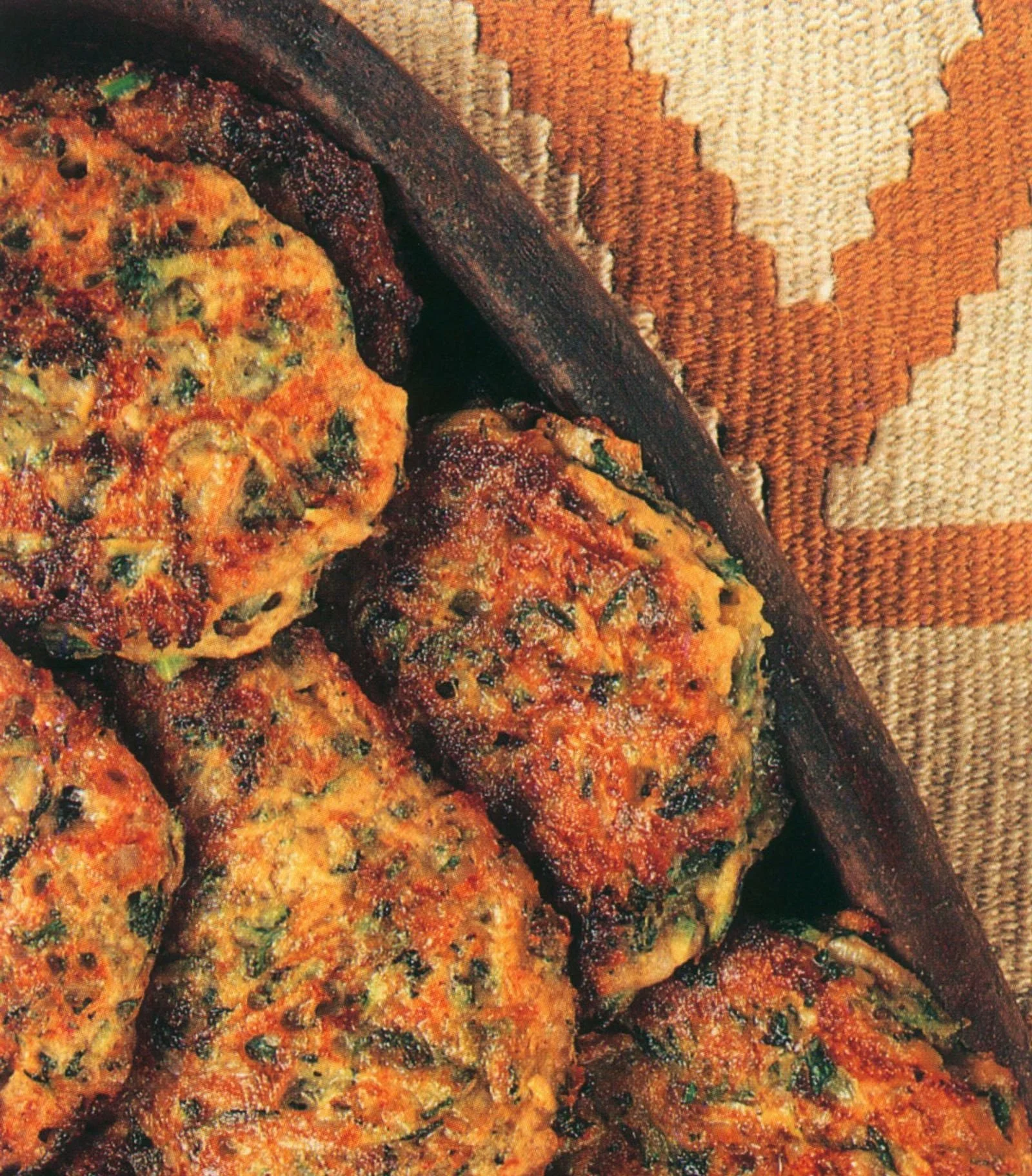
Courgette and Cheese Patties from Classic Turkish Cooking by Ghillie Basan
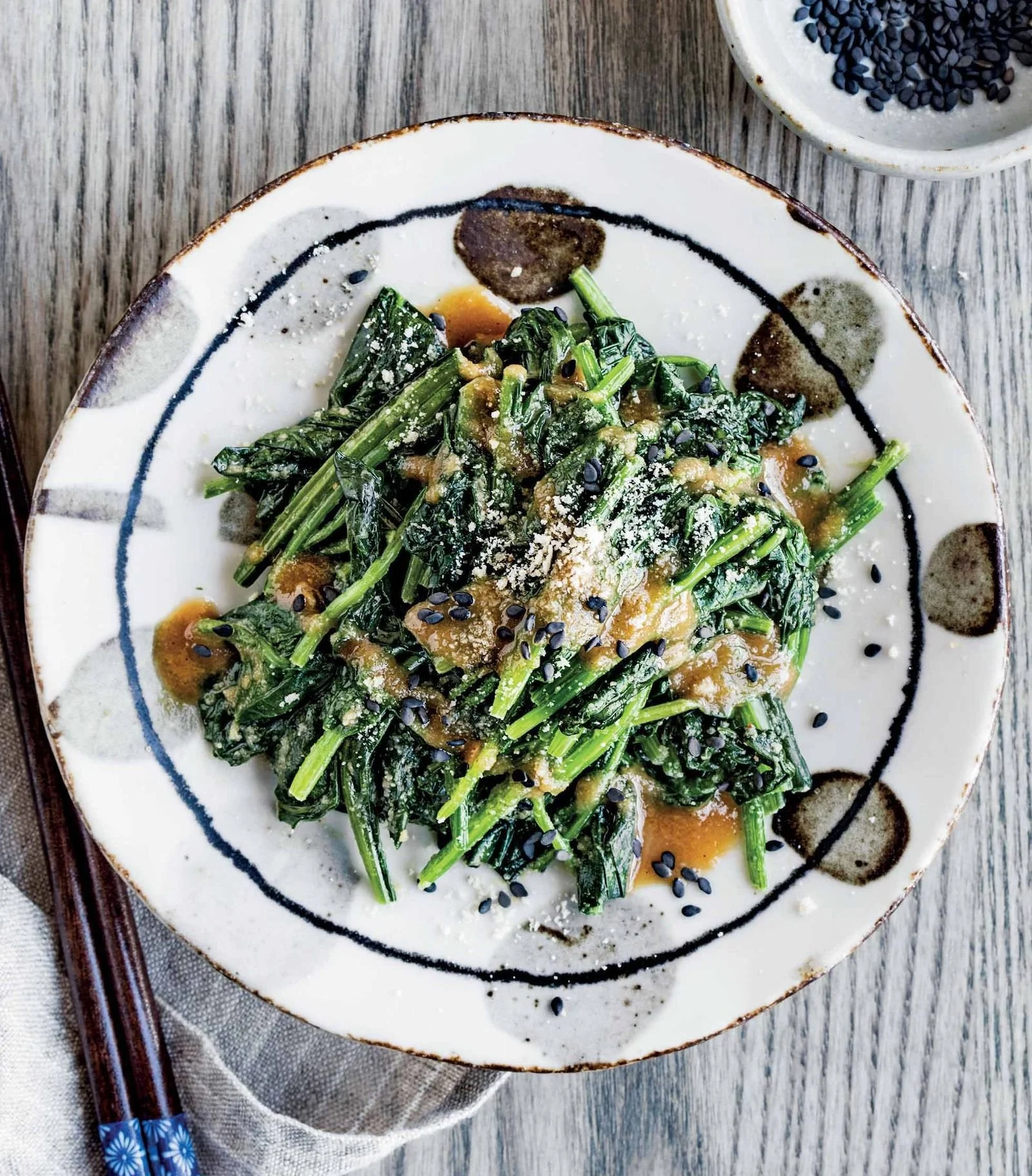
Spinach in Sesame Dressing from Let's Cook Japanese Food! by Amy Kaneko
Alice Waters once told me, if you’re trying to introduce a new vegetable, wait until your child (baby/toddler) is really hungry, and then serve it to them. While I did try to put this into practice on my own, it was most effective when it happened unintentionally. One day my husband and I took our toddler out for dim sum, without the proper preparation. We didn’t bring snacks. By the time we sat down, he was ravenous and starting to lose it. In a panic, we asked the waiter to bring us the first thing that was available. He brought a small plate of baby bok choy dressed in a sweet and salty plum sauce. Our boy wolfed it down and he has loved bok choy ever since. If you’ve missed that window, don’t worry! Get your kids into the kitchen with you. They will eat what they make, and their assumptions about food will be transformed. Start with vegetables.
Baby Bok Choy with Ginger and Garlic from Katie Chin’s Everyday Chinese is a good approximation of the dish that transformed my son’s tastebuds. If bok choy isn’t available, simply sauté whatever veg is left in the fridge (think cabbage, green beans, onions, carrots) and top it with Chin’s fail-safe sauce—a combination of ginger, soy sauce and brown sugar.
For the most reluctant vegetable eaters, fritters may just be the ticket. Who doesn’t love fried food? Try these tangy, herby Courgette* and Cheese Patties by Ghillie Basan. Once you have the hang of it, you can substitute all kinds of veg using this basic batter and technique, so long as you’ve squeezed out as much water from the produce as possible before frying.
Amy Kaneko’s Spinach in Sesame Dressing is SO SIMPLE and yet nearly every step is a fundamental cooking lesson. You’ll blanch the spinach in heavily salted water (salty like the ocean); prepare an ice bath to keep the spinach from continuing to cook after it has been removed from the boiling water; and use a mortar and pestle to make the sauce. This is the kind of recipe you can learn to cook from.
*Also known as zucchini squash.
Calling all Charlie Cart-ers! Veggie fritters are a great dish to make in the classroom, though you may want to swap onions for garlic to avoid teary-eyed students. From grating the veg, to beating the eggs, to chopping the herbs, there are plenty of jobs for all. Below we also highlight a steamed version (muthiya) that might work even better if frying poses ventilation issues. Substitute a simple yogurt sauce to go alongside by combining whole milk yogurt with lemon juice, salt, and dill.
Kitchen Fundamental #2: Get into Salads and Sandwiches!
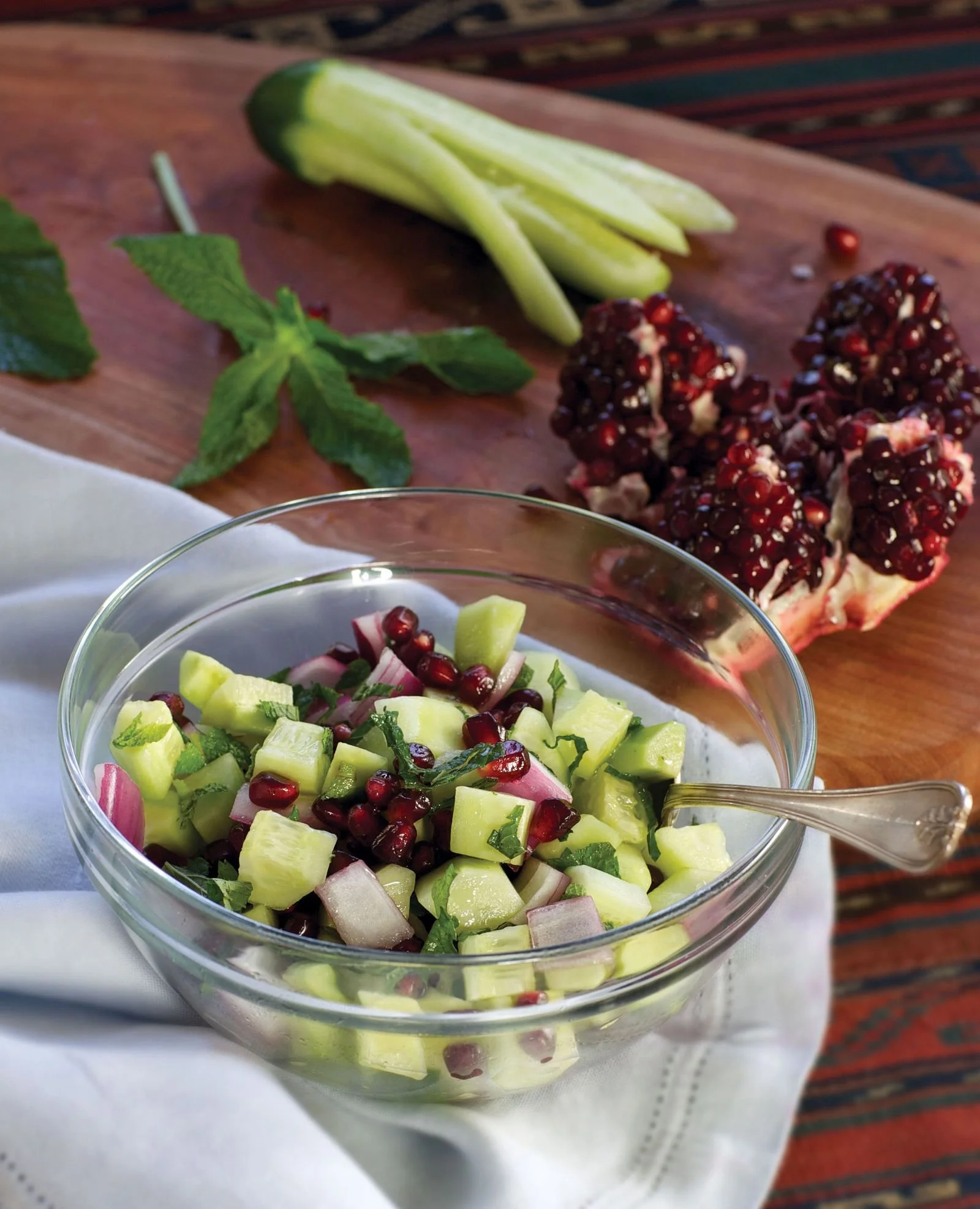
Cucumber + Pomegranate Salad from Joon: Persian Cooking Made Simple by Najmieh Batmanglij
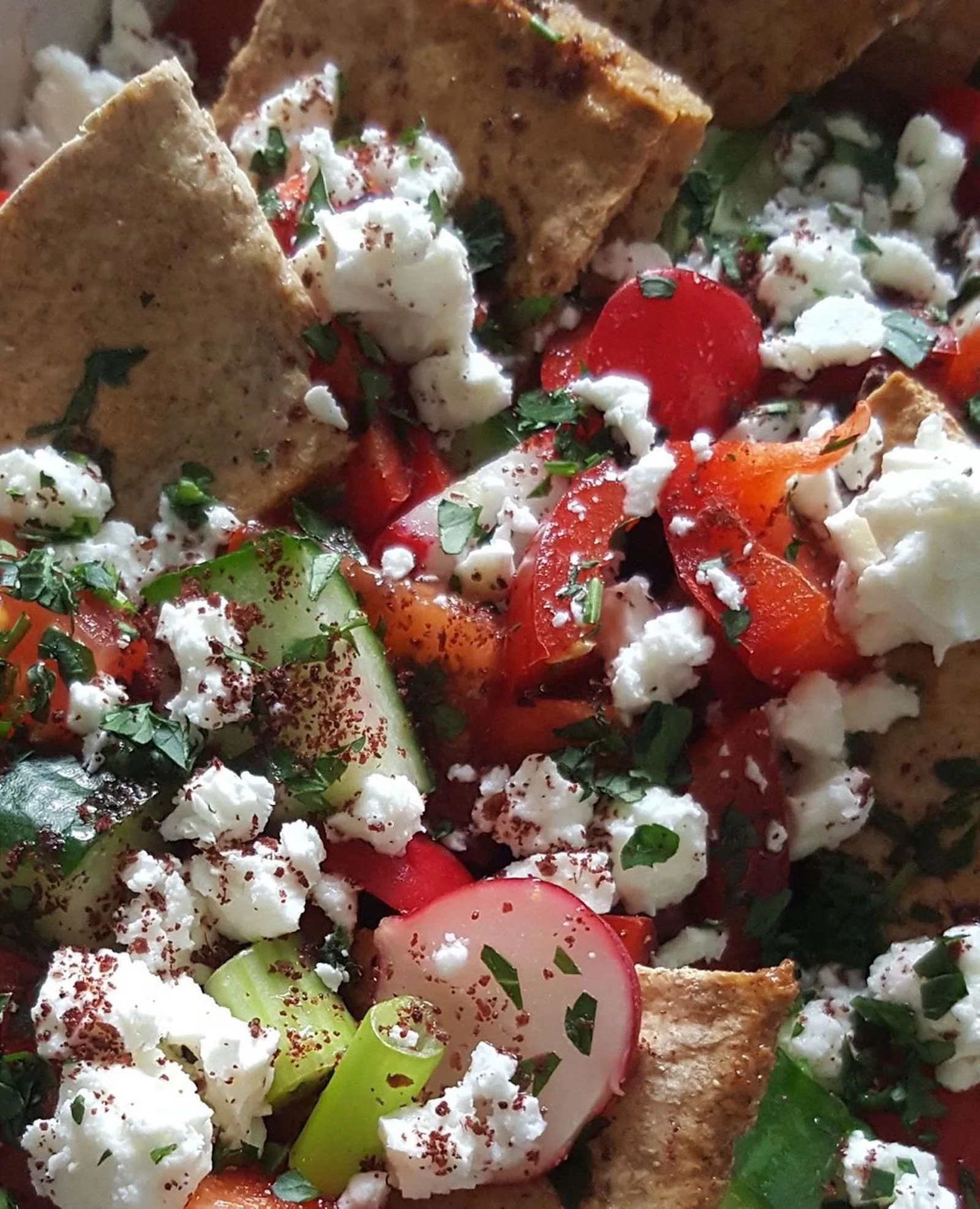
Pinina’s Fattoush Salad from The Galilean Kitchen by Ruth Nieman
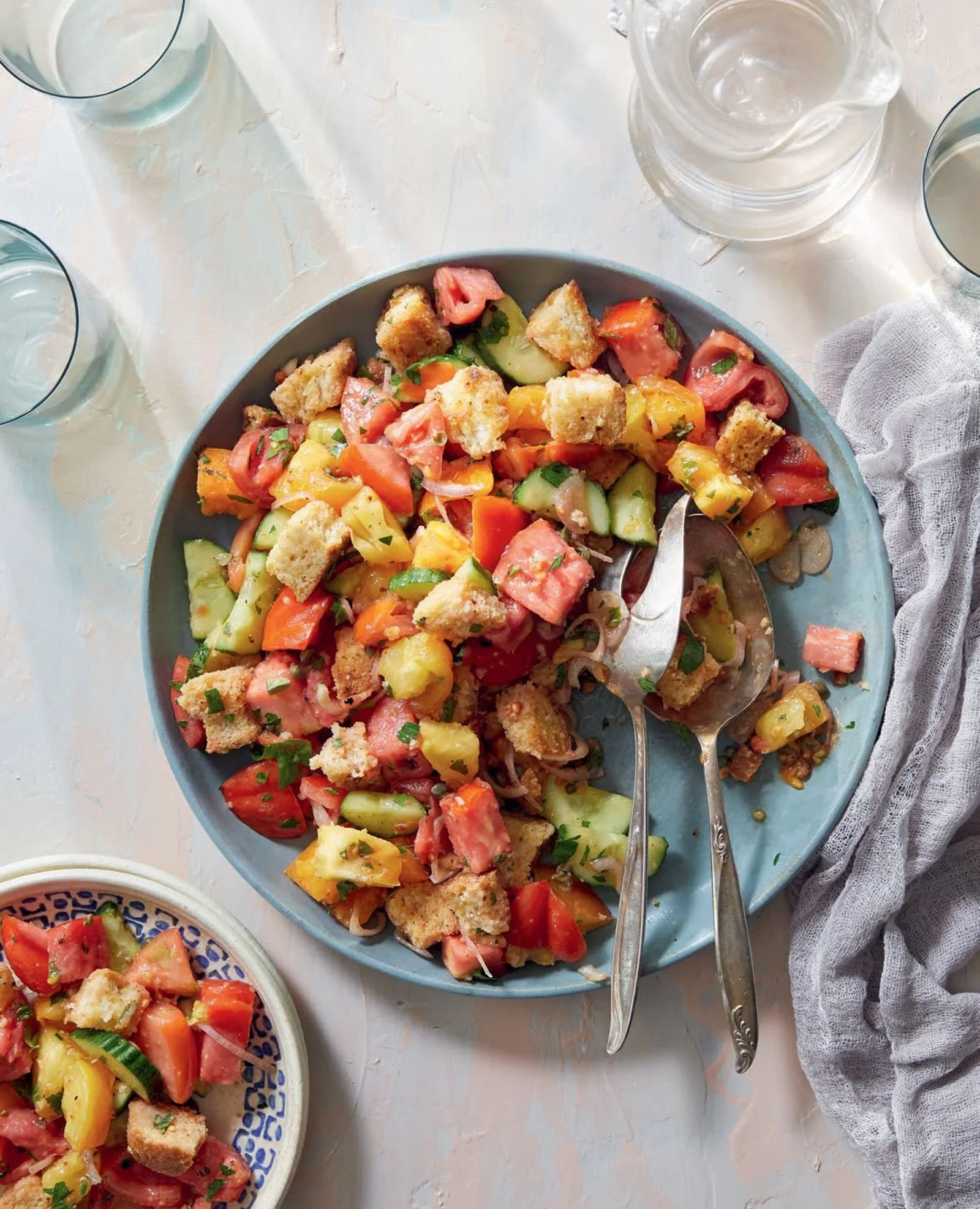
Peak-Summer Panzanella from Mediterranean Every Day by Sheela Prakash
Assembling foods counts as cooking! But getting your kids into “salad” may take a bit of convincing. Start with crisp greens – everyone loves crunch – and add a few unexpected ingredients like potatoes, cheese, grains or protein, that make the salad feel like a meal. Then change the name! At our house, we piled all the goodies onto crisp leaves and called them “stackers,” and the kids could not eat them fast enough.
Cucumber salads are lightning fast to make, sweet, juicy and crunchy, and, since cucumbers are flavor neutral, they can take whatever else you throw at them. Try a tangy cheese, bright tomatoes, or briny olives, and talk together about how the flavor changes with each addition. This simple cucumber salad from Joon by Najmieh Batmanglij marries pomegranates with cucumbers, for a tart and juicy “salad” that feels way too fun to eat to be good for you. Bonus: cucumbers are excellent for practicing slicing, chopping and dicing. For step-by-step instructions, check out Madeleine Kamman’s illustrated guide to knife skills.
Salads with bread, especially homemade croutons or baked pita, are another home run with kids, like these straightforward versions of Fattoush and Panzanella. With croutons as the enticing base, take the leap to anchovies—trust me!—Michael Ruhlman’s Classic Caesar Salad is salty, creamy and crunchy, the trifecta of kid-approved flavors. They will never think of anchovies the same way again.

Pan Bagnat from The Hog Island Book of Fish & Seafood by John Ash
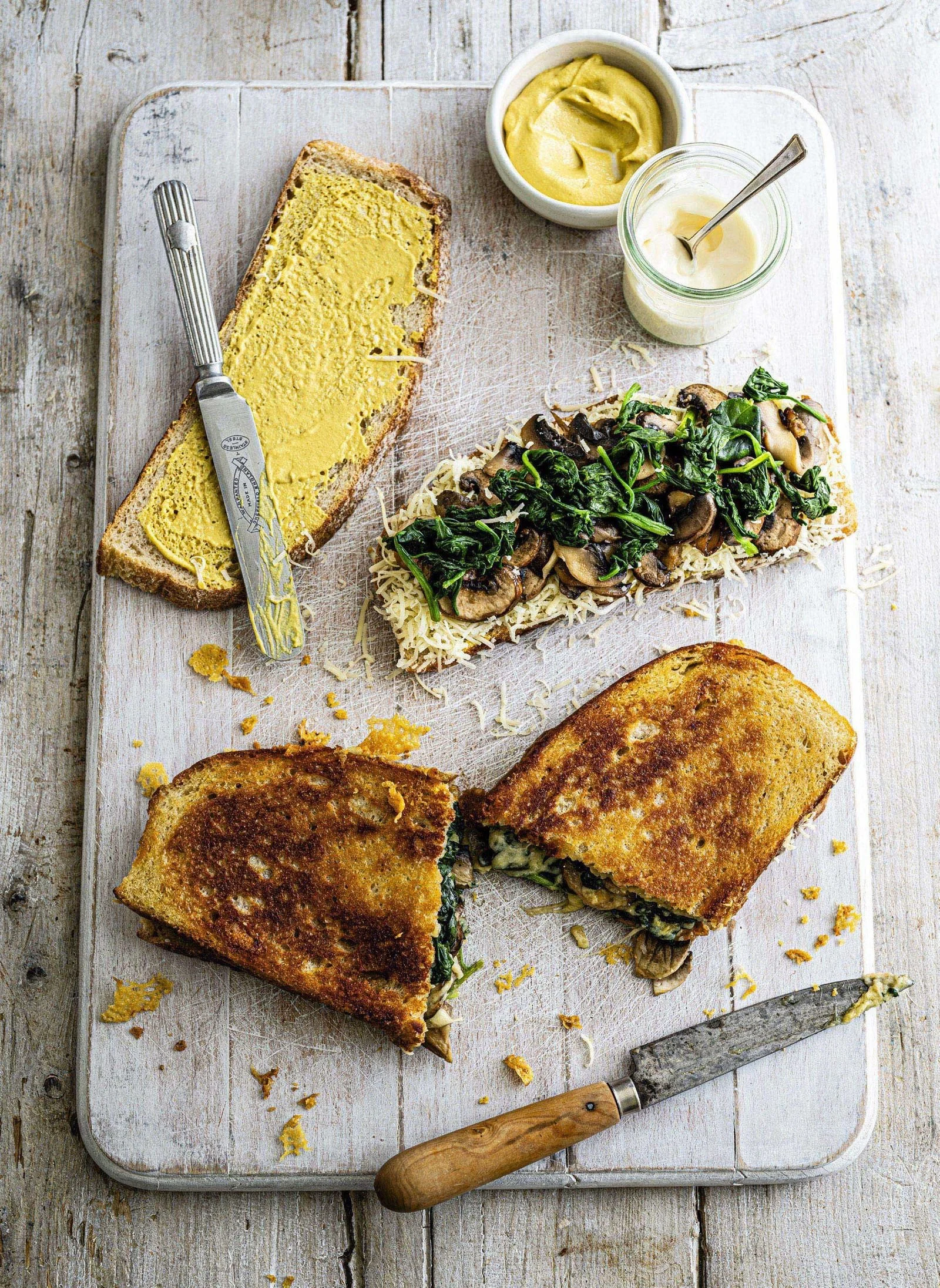
Mushroom, Spinach and Gruyère Toasted Sandwich from Life's Too Short to Stuff a Mushroom by Prue Leith
Sandwiches can seem a little sleepy, but don’t be fooled—they are limited only by your imagination. Classics with a twist bridge the new with the familiar, ideal for opening minds and introducing new ingredients. If you love a tuna salad sandwich, check out the French version—Pan Bagnat—from The Hog Island Book of Fish & Seafood by John Ash. It’s a deconstructed Salade Niçoise—on a bun! If you’re just starting out, Prue Leith’s amped-up grilled cheese is a good way to go.
Charlie Cart educators pressed for time might find salads quick and easy lessons that build chopping, dicing, and slicing skills while introducing new flavors. With the right prep ahead of time, 30-45 minutes should be enough time to make a simple salad recipe with your students.
Cooking Fundamental #3: Get to know herbs and spices
Each time we add an herb or spice to a dish, it’s a great reminder to taste and adjust—the mark of a skilled cook if ever there was one. Herbs and spices (do you know the difference?) add sweetness, richness and warmth when used in balance and moderation. Too much and they can overpower your dish.
These recipes encourage tasting and smelling as you go to experience the way fresh herbs and spices bring a simple dish to life. Get to know the power of these small but mighty ingredients, beginning with a gingery, slightly sweet Coconut Rice from Niloufer Mavalvala’s The Route to Parsi Cooking.
For the chocolate lovers amongst you, don’t miss out on atole, a traditional sweet and savory drink thickened with fresh or ground corn that was a staple of Mayan and Aztec cultures nearly 10,000 years ago. In Muy Bueno: Three Generations of Authentic Mexican Flavor, Yvette Marquez-Sharpnack offers up Chocolate Atole—a modernized version sweetened with chocolate, cinnamon and piloncillo.**
**Piloncillo can be found in most Mexican markets. Brown sugar is also a fine substitute.
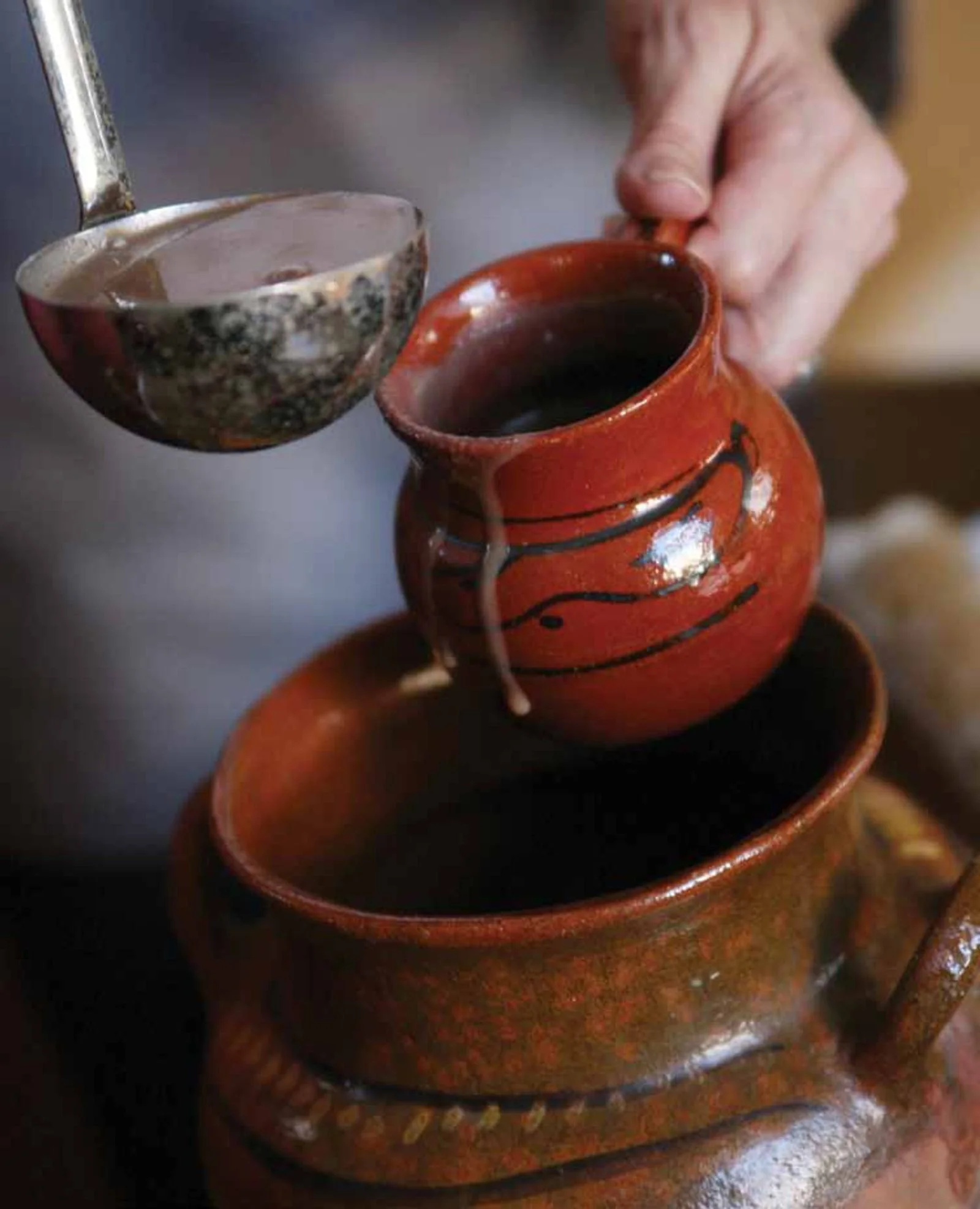
Charlie Carters take note: Chocolate Atole/Champurrado is an easy and excellent lesson in Mesoamerican indigenous foodways that you can make right in the classroom.
Warming spices, and a wide variety of them, are a feature of Nik Sharma’s Season and these super snacky Chile-Sumac-Pomegranate Nuts do not disappoint. Follow them up with Vegetarian Peanut Stew from The Ghana Cookbook by Fran Osseo-Asare and Barbara Baëta, and you have a full, fabulously flavorful meal!
Level up snack time with muthiya—steaming hot, spiced dumplings that are absolutely packed with flavor. These Rasiya Muthiya (muthiya served in sauce) from Biting Biting by Urvashi Roe may feel slightly complicated for new chefs, but they are tactile and fun to make, and worth the effort. Channel a little more patience, set expectations, and set aside an extra 30 minutes for new-to-the-kitchen chefs.
Focus in on fresh herbs of all types with a versatile Herb Jam from Paula Wolfert that is delicious with pasta, drizzled over eggs, used as a marinade for meat and fish, or simply spread on crackers.
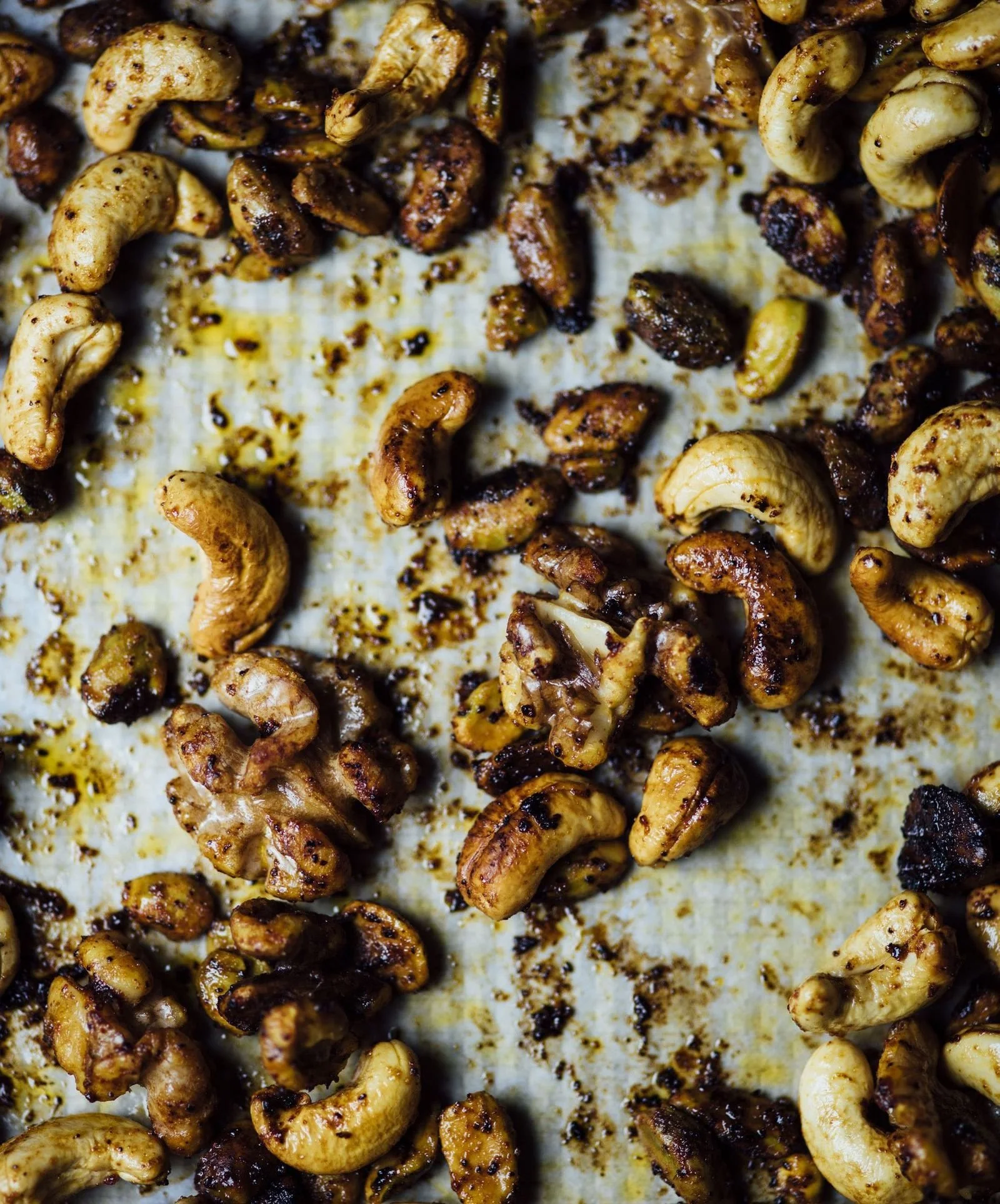
Chile-Sumac-Pomegranate Nuts from Season by Nik Sharma
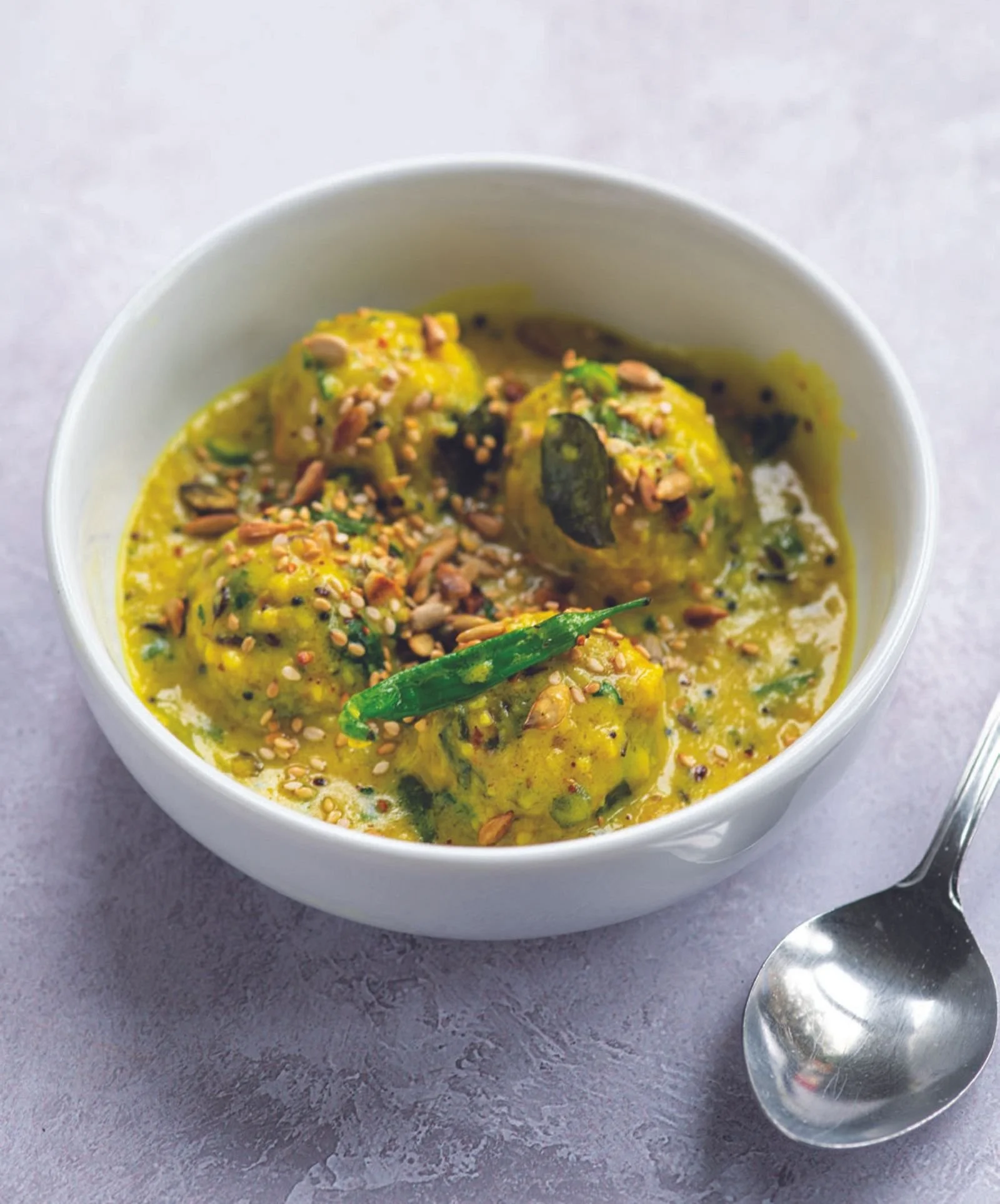
Rasiya Muthiya from Biting Biting: Snacking Gujarati-Style by Urvashi Roe
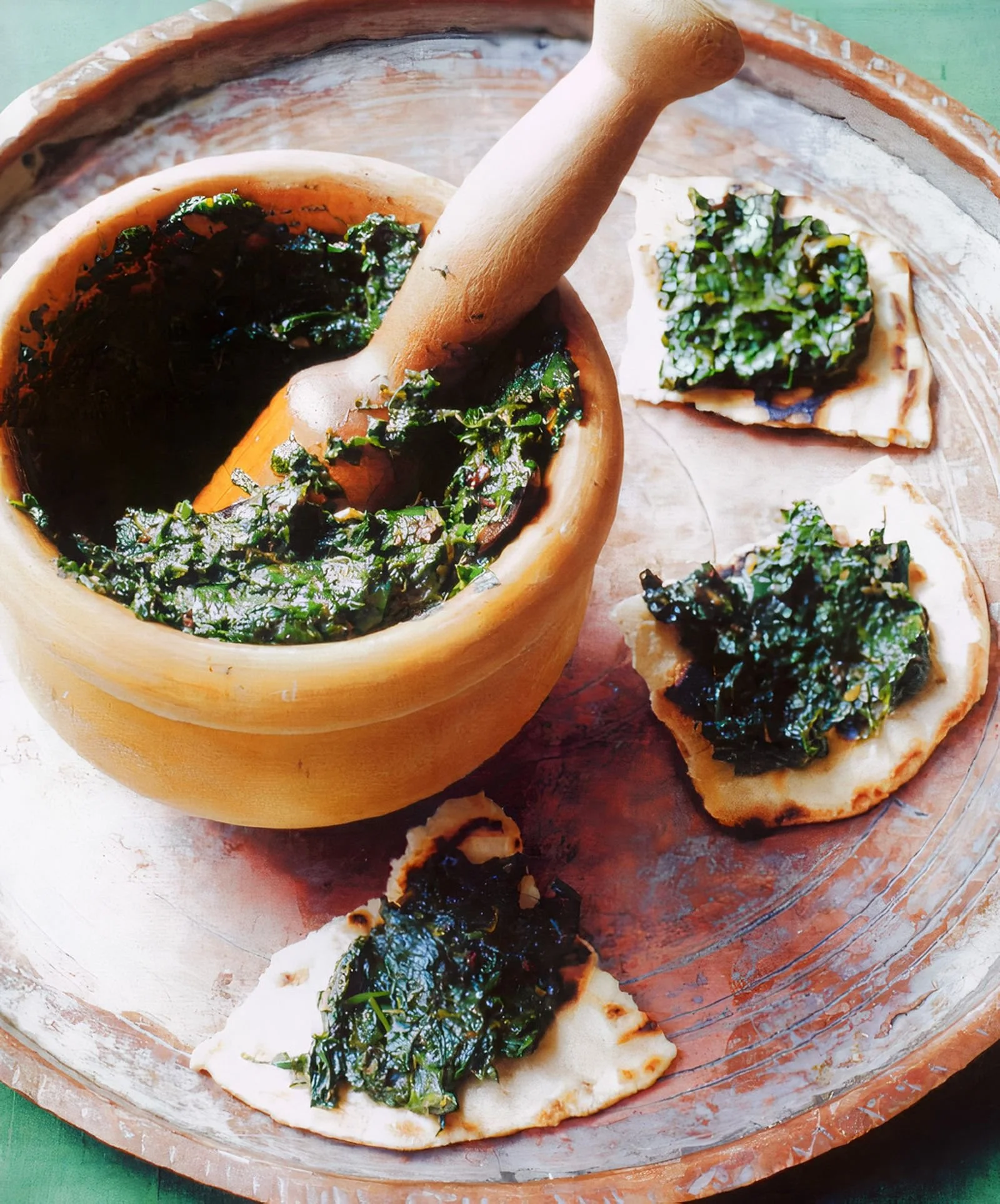
Herb Jam with Olives and Lemon from The Slow Mediterranean Kitchen by Paula Wolfert
As you can see from this broad interpretation of kitchen fundamentals, it really comes down to what’s important to you and your family in the kitchen. Any type of cooking, assembling or tasting will build the most basic of cooking skills: curiosity and confidence.
Recipe highlights
About the author

Carolyn Federman is the founder of the Charlie Cart Project, a nonprofit that provides tools and curriculum for hands-on food education. Prior to Charlie Cart, Carolyn worked in food education for more than a decade, leading Alice Waters’s Edible Schoolyard Project, consulting on policy and program development for the Jamie Oliver Foundation, co-founding the Berkeley Food Institute, co-producing UC Berkeley’s Edible Education course with Michael Pollan, and teaching cooking in her children’s schools. Carolyn lives in Berkeley, California. Carolyn is the author of New Favorites for New Cooks (Ten Speed Press, 2018), a starter cookbook for children of any age.
More ckbk features

Read the first part of ckbk and Charlie Cart’s Cooking with Kids series, with a host of ideas for tempting kids into the kitchen

Keep the recipes you need available in an instant using our new pinned recipe feature!

Keep track of what you cooked and when, so you can track your discoveries and revisit the dishes you like most
Advertisement