
Advertisement
Behind the Cookbook: 15 Minute Indian by Anjula Devi
13 September 2026 · Behind the Cookbook
ckbk spoke to chef and culinary consultant Anjula Devi about her cookbook 15 Minute Indian which has recently been added to ckbk’s shelves. She tells us how the book ‘turns some of the rules of traditional Indian cooking on their head’ to deliver quick and easy results, with fresh flavors which make the most of the individual characteristics of traditional Indian spices.
Interview by Cat Black
Great to speak to you Anjula, we are thrilled to have 15 Minute Indian now live on ckbk. I’m excited to talk to you about that book, but first can you tell us about yourself as a chef, where that passion for great food began?
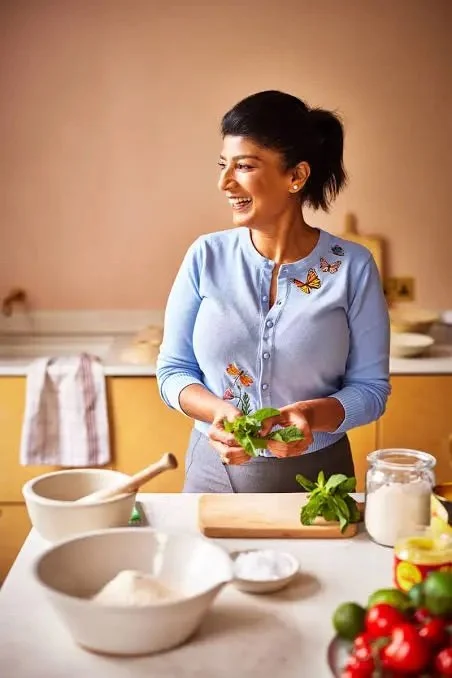
Anjula Devi
My love of food began with my dad in our little kitchen in Southall. I was about ten years old, standing on an upside-down steel mop bucket because I was too small to reach the worktop. Dad and I also cooked outside, where he had turned our old coal bunker into a makeshift tandoor.
He was an extraordinary cook. He cooked for Indian weddings of 300 to 500 people, and families would check his availability before choosing their wedding date. But what he really gave me was curiosity. He taught me to understand ingredients rather than simply follow recipes.
He would tell me to respect tradition but never be frightened of doing something differently. That has stayed with me throughout my life.
I think of myself as much as a food educator as a chef. I love cooking, of course, but what really excites me is giving somebody enough confidence and knowledge that eventually they don’t need me standing beside them.
Among other things you are consultant chef at Manchester United football club. What are the challenges of bringing your food to such a sporting institution?
Manchester United has been an extraordinary chapter of my career. I worked with the club for seven seasons, and the scale alone makes it very different from cooking in a restaurant or at home. Around six thousand people sit down to eat inside the stadium on match days.
You are feeding people from all over the world, so the challenge is creating Indian food that is accessible without stripping away its identity.
I never wanted simply to reproduce the familiar restaurant dishes people already knew. I wanted supporters to experience something closer to the food and flavours I grew up with.
There is also the practical challenge of consistency. A dish has to work beautifully when it leaves my kitchen, but it also must be replicated by a much larger culinary team. That means teaching people why a spice is there, why something is cooked in a particular order and what they should be tasting for.
That educational side of the role has probably been one of the parts I have enjoyed most.
Tell us about the work you do as a culinary educator? What do you love about helping others make Indian food at home?
Teaching people to cook Indian food is probably where I feel most at home.
For years I have watched people approach Indian cooking believing there are too many spices, too many stages and too many opportunities to get it wrong. I want to remove that fear.
I do not want somebody simply to know that a recipe requires cumin. I want them to begin recognising what cumin brings to the dish. The same with coriander, fennel, ajwain or fenugreek.
Once you understand flavour, cooking becomes much more instinctive. You stop being frightened of the recipe and start becoming a cook.
For me, that is what culinary education should do. It should eventually give people the confidence to close the book.
Your cookbooks must be a big part of this work, helping others to cook great Indian food. Authentic Indian Food and Spice for Life set out some core recipes and ingredients in Indian cuisine, but with 15 Minute Indian you have brought a different and innovative approach. Can you tell us how this new book came about and why.
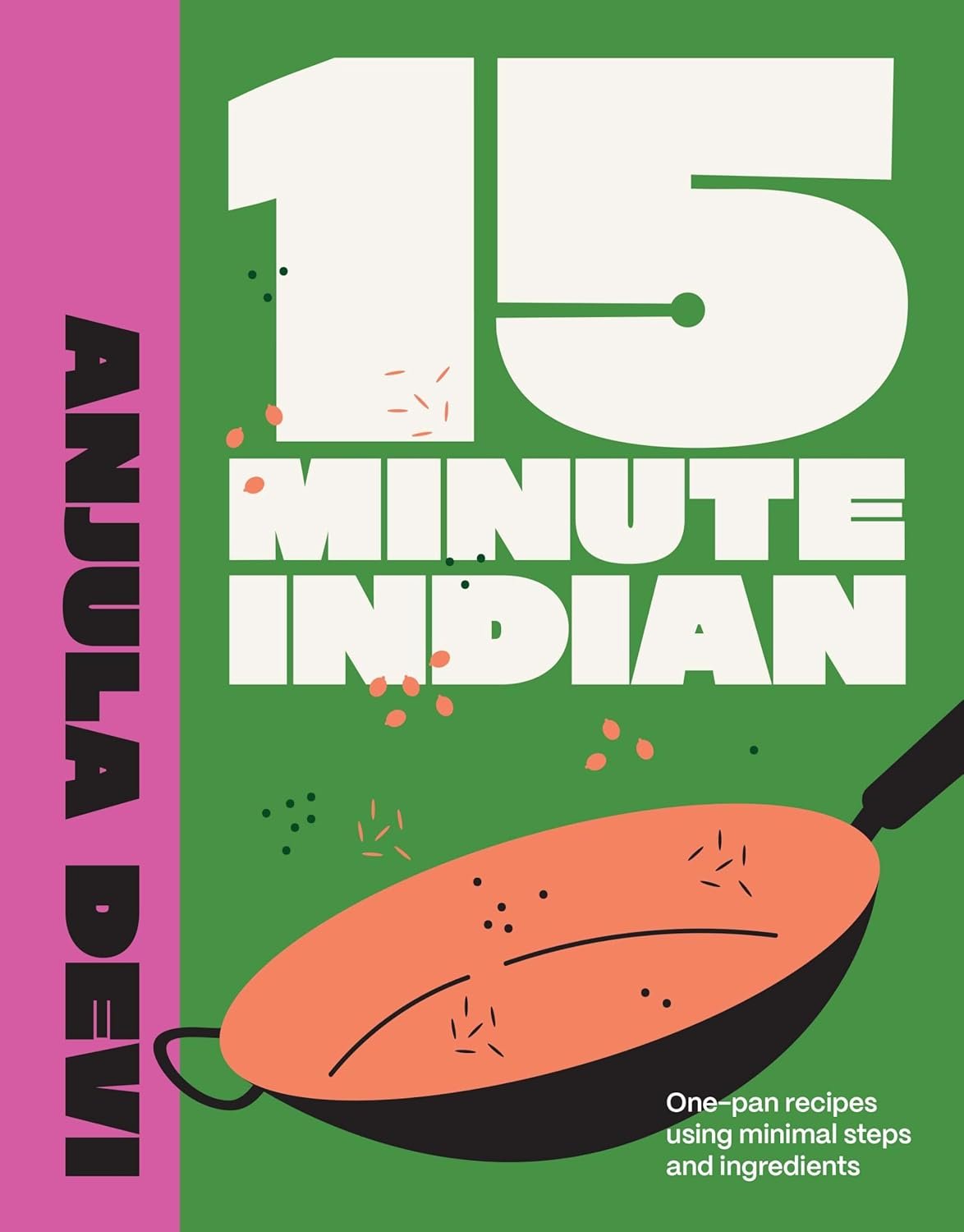
15 Minute Indian came from questioning the way I had always cooked. Traditional Indian cooking can be slow and layered, and there is something wonderful about that when you have the time. But our lives have changed and we have less time.
I began asking myself a very simple question. Could I keep the spices, aromas and identity of the food I grew up eating, but find a completely different way of cooking it? Then I started experimenting.
I reduced ingredient lists. I changed the way ingredients were prepared. I played with temperature, steam and the order in which ingredients entered the pan. What emerged was a much lighter, fresher way of cooking Indian food.
The fifteen-minute element was not really where I started. The method came first. The speed was almost the wonderful consequence of it.
15 Minute Indian uses your new one-pot cooking method, can you talk us through what is special about this technique.
The one-pot technique turns some of the rules of traditional Indian cooking on their head.
Rather than slowly building a dish over a long period, ingredients are prepared so that they can cook quickly and evenly. They go into the pan in a particular order, with spices, a small amount of fat where needed and hot water. The lid then becomes incredibly important.
We are using steam, heat and moisture to cook quickly and carry those spices through the ingredients. Towards the end, the lid comes off and any excess liquid reduces.
What delighted me during development was how fresh everything tasted. Vegetables retained character and texture, spices remained aromatic and the whole dish felt lighter.
It is not traditional Indian cooking made faster. It is a different cooking technique using the Indian flavours I know and love.
You write in detail about the use of spice in your work, and that might be the thing that those new to this cuisine will be wary of. What do you want home cooks to take away about cooking with spices, and their potential in the kitchen?
My key message is “please do not be frightened of spices”.
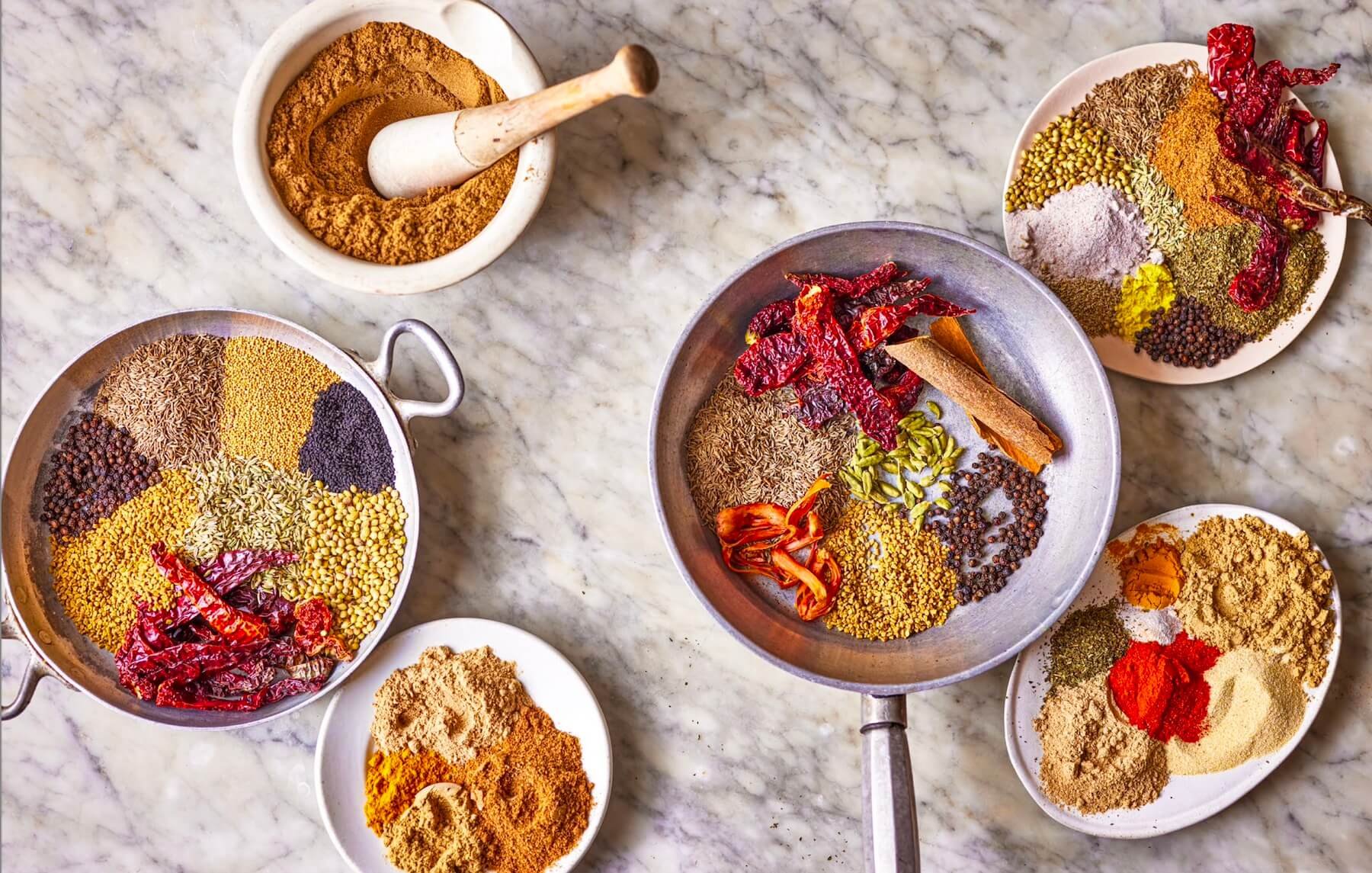
One of the things I have done in 15 Minute Indian was repeat spice combinations. I want readers to become familiar with them rather than buy twenty spices for twenty different recipes.
And spices are not simply about heat. That is probably one of the biggest misunderstandings about Indian food.
Cumin can give earthiness. Fennel brings sweetness. Coriander seed has wonderful citrus notes. Ajwain has this extraordinary thyme-like quality.
Once you start tasting spices individually, rather than thinking of them collectively as something called "spice", an entirely new kitchen opens up to you.
With these new recipes differing from the richer slow-cooked Indian dishes we might be used to, what kind of flavours can we expect in these new dishes. Can you share some of your favourites.
Freshness is probably the word I would use. There are still deep Indian flavours, but they are not hidden beneath lots of fat, cream or lengthy cooking. You can taste the vegetables. You can taste the herbs. You can recognise individual spices.
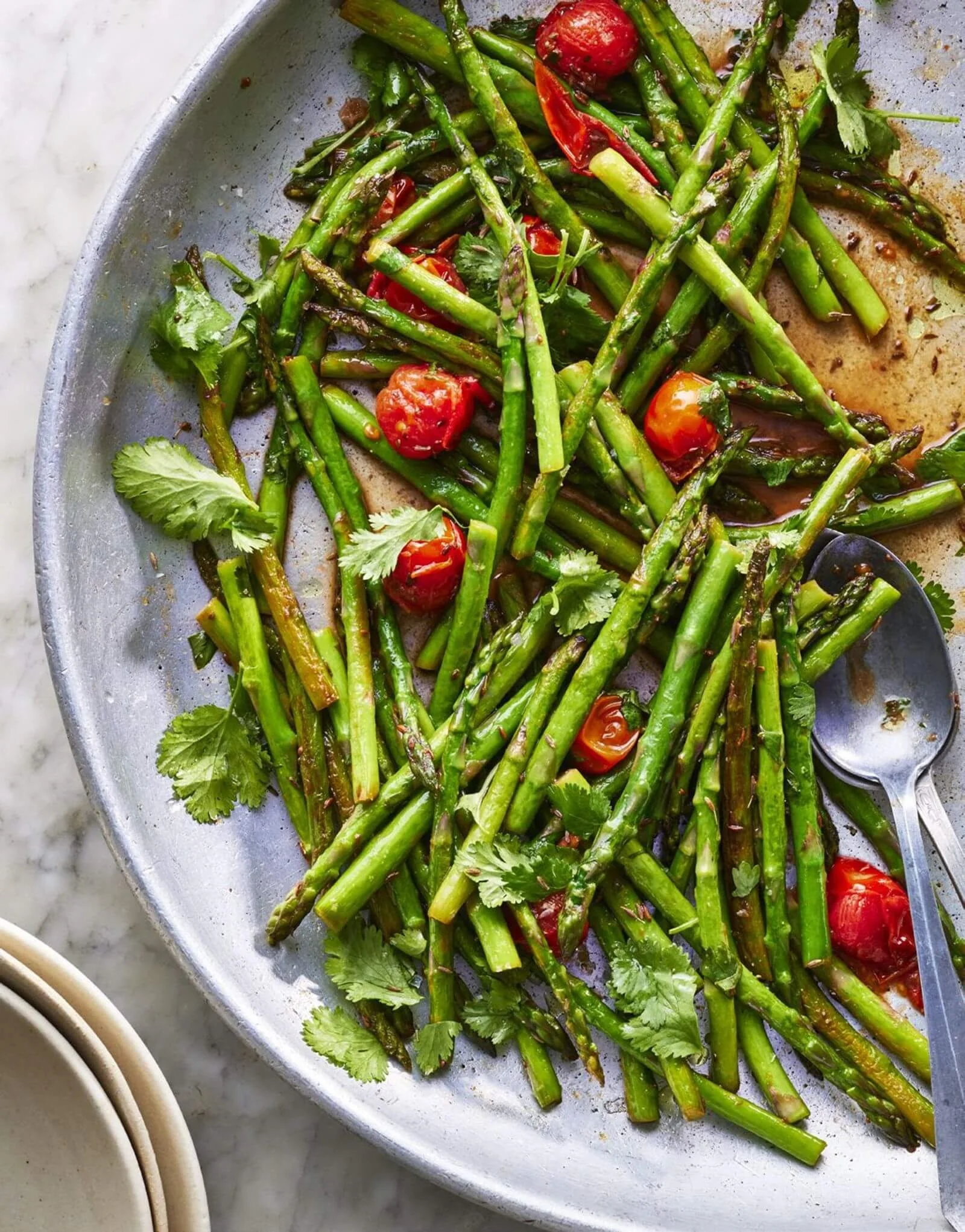
I love the Asparagus with Cherry Tomatoes because it sums up the book for me. It is fresh, vibrant and incredibly simple.
The Salmon with Fenugreek and Ginger is another favourite because those flavours work so beautifully together, and the Garlic and Chilli Paneer shows that something very simple can still have plenty of character.
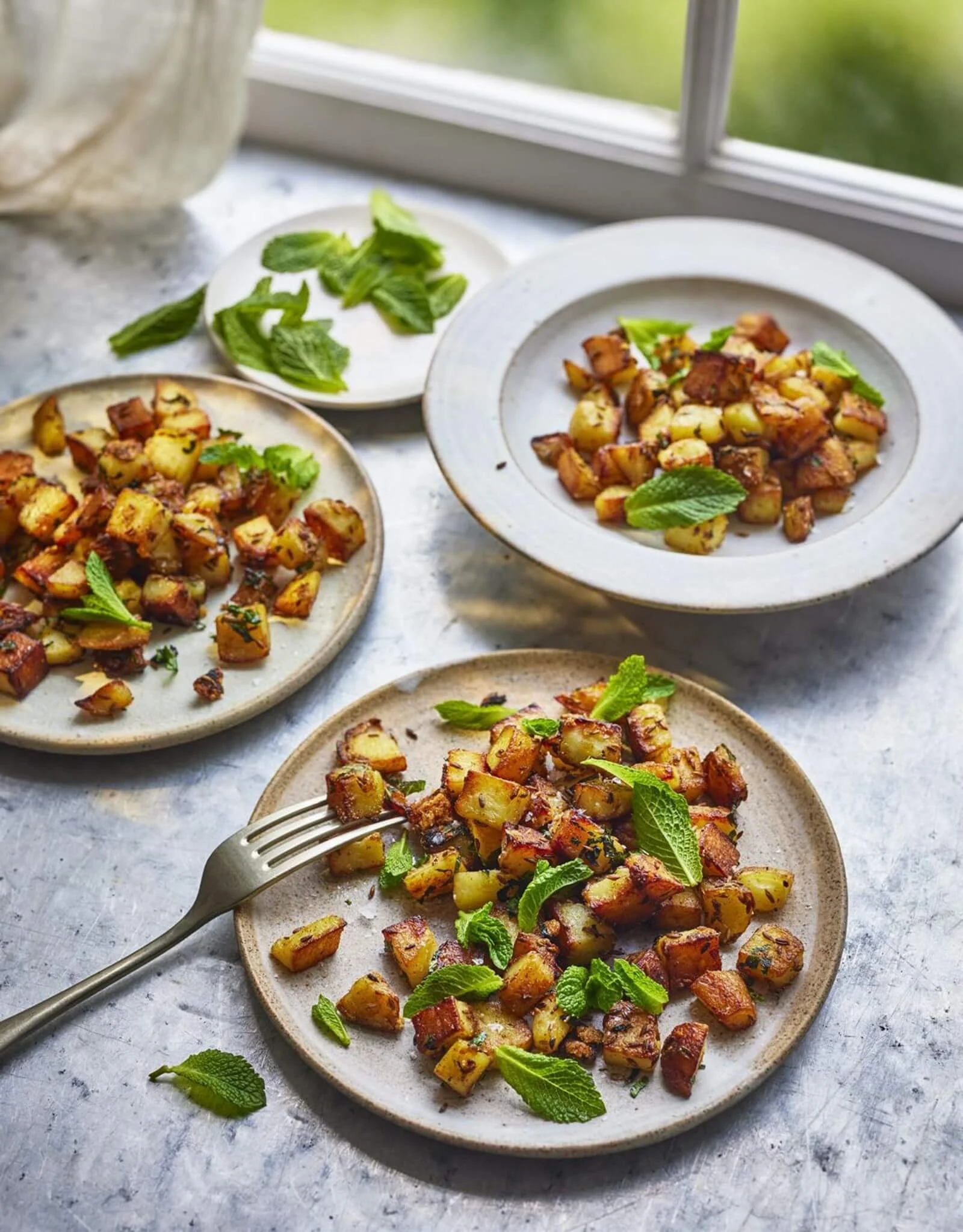
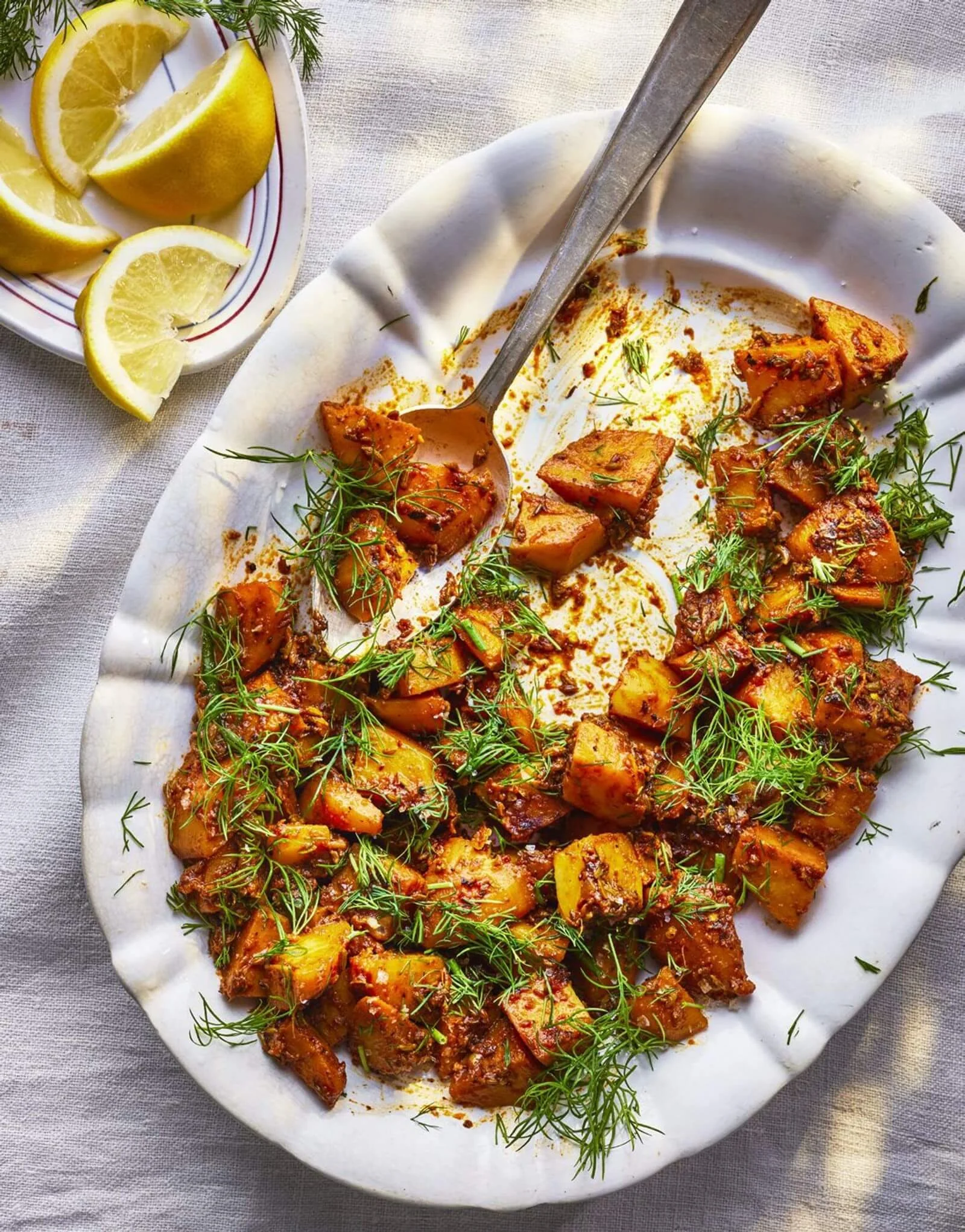
And I have a soft spot for the potato dishes. Give me potatoes and a masala dabba [a traditional Indian spice storage box] and I’m very happy.
The book has garnered some amazing reviews, what feedback are you particularly proud of? Why do you think this book is striking a chord with home cooks?
The feedback that moves me most is not necessarily somebody telling me a dish is delicious. It’s when somebody says, "I thought I couldn't cook Indian food until I bought this book." That is exactly what I wanted the book to do.
One reader described it as a game changer because Indian cooking had previously felt too time consuming and complicated. Another said she had always assumed cooking Indian food was beyond her reach, and suddenly it wasn't.
Those comments make me incredibly proud because they tell me the book is doing its job. I also love hearing that people are cooking from it during the week, opening the fridge, seeing what they have and gaining enough confidence to experiment.
Perhaps that is why it has struck a chord. It fits into real life. You don’t need three hours. You don’t need to cook six dishes. You don’t need to prove anything. Sometimes one really good dish is enough.
In the Feasts section of the book you give menu suggestions for some standout meals readers can cook from the book. What three dishes would you choose to celebrate the book’s success with?
I think I would choose three dishes that show just how varied fifteen-minute Indian cooking can be. I would have the Salmon with Fenugreek and Ginger, the Chilli & Garlic Paneer and one of my vibrant vegetable dishes alongside them.
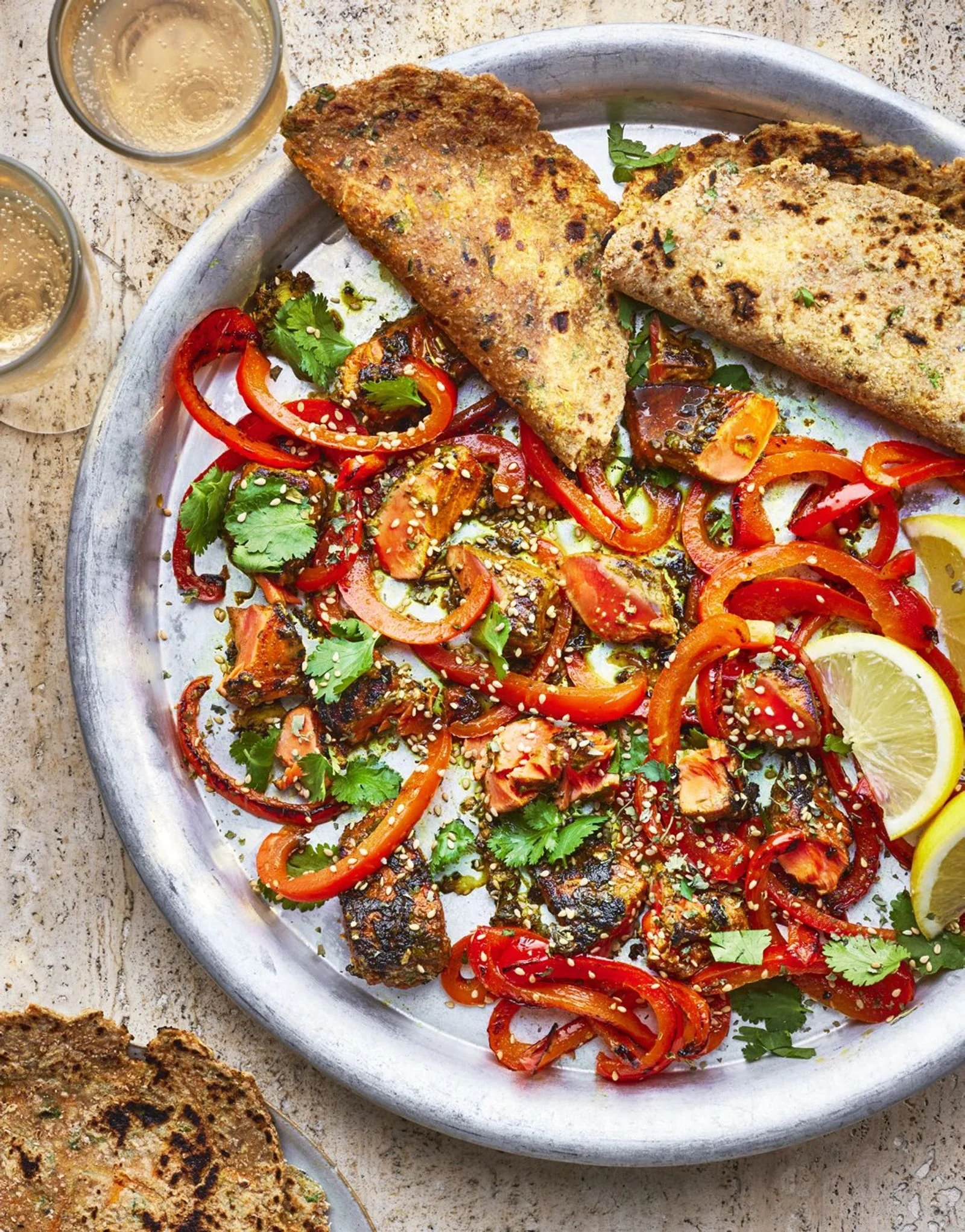
Salmon with Fenugreek & Ginger from 15-Minute Indian by Anjula Devi
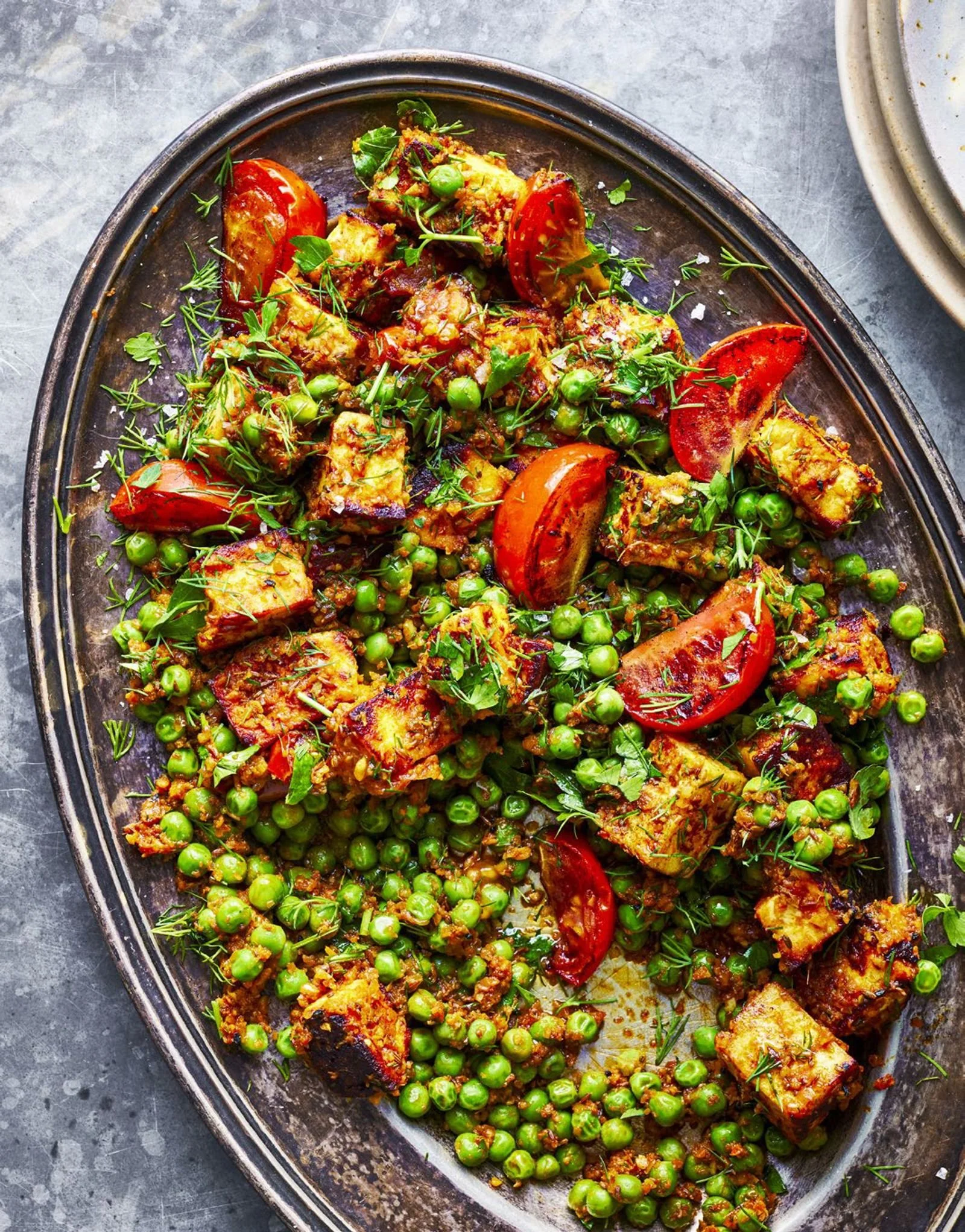
Chilli & Garlic Paneer from 15-Minute Indian by Anjula Devi
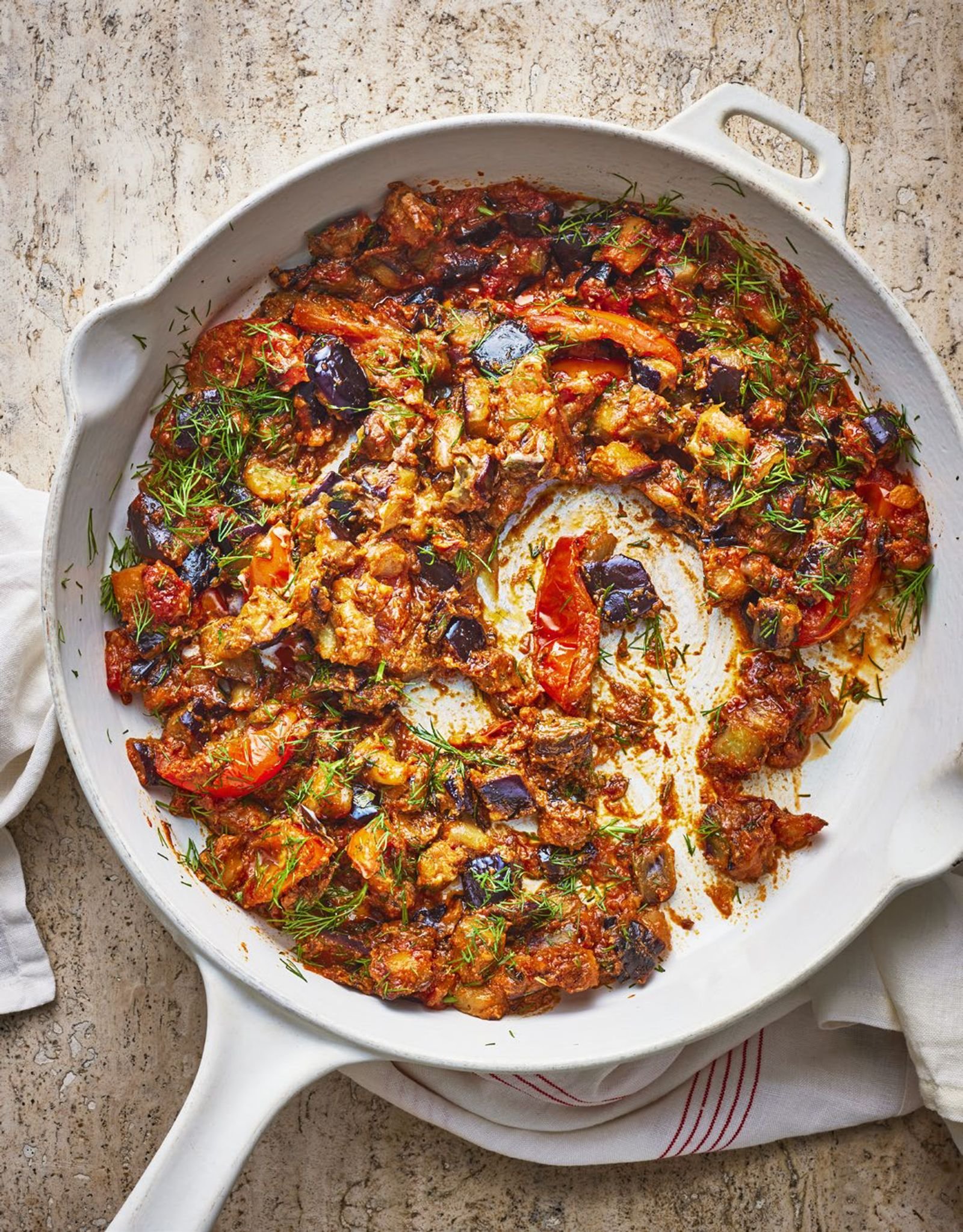
Aubergine Bhaji from 15-Minute Indian by Anjula Devi
But the important thing for me would not be creating an enormous feast. My dad always said that people will remember one dish cooked really well far longer than seven dishes you were stressed trying to cook. So perhaps I would cook those three dishes, put them in the middle of the table and sit down with the people I love. Because however innovative the method becomes, that part of food should never change.
ckbk: Thank you so much for chatting to us Anjula, we can’t wait to get cooking!
Thank you. And if there is one thing I would love ckbk readers to take away from 15 Minute Indian, it is simply to have a go. Indian cooking does not belong only in restaurants or to people who grew up cooking it. Start with a few spices, trust your palate and enjoy yourself. That’s how my dad taught me to cook, and more than fifty years later, I’m still learning.
About the author
Anjula Devi is an Indian chef, author, content creator and culinary consultant—she counts Manchester United Football Club among the impressive portfolio of clients for whom she acts as a consultant chef. She is known for her innovative approach to Indian cuisine, sharing beloved dishes and flavours through personal storytelling and a contemporary, health conscious lens. In 2025 she released 15 Minute Indian, a book which centres the accessible, healthy dishes for which she is renowned. Her commitment to education, volunteering in primary and special needs schools, was recognised when she was chosen as a torchbearer at the 2012 London Olympics Games.
Cat Black is a member of The Guild of Food Writers and Grand Jury member of The International Chocolate Awards. Having worked as a private caterer and baking tutor, she has written for a variety of publications, including among others The Spectator’s Scoff, Chef Magazine, Ganache, Caterer & Hotelkeeper, FOUR – The World’s Best Food Magazine and 1001 Restaurants You Must Experience Before You Die. She wrote a regular baking column in Cakes & Sugarcraft Magazine between 2010 and 2015 under the name Cookie Bellair. Cat has an all-consuming passion for all that is finest in the world of chocolate, gives talks about it, acts as a chocolate consultant. She co-wrote Sex & Drugs & Sausage Rolls with chef Graham Garrett, and is also the author of The Great British Bake Off, Bake It Better: Chocolate.
More ckbk features

See nutritional information for any recipe on ckbk and make use of additional diet filters
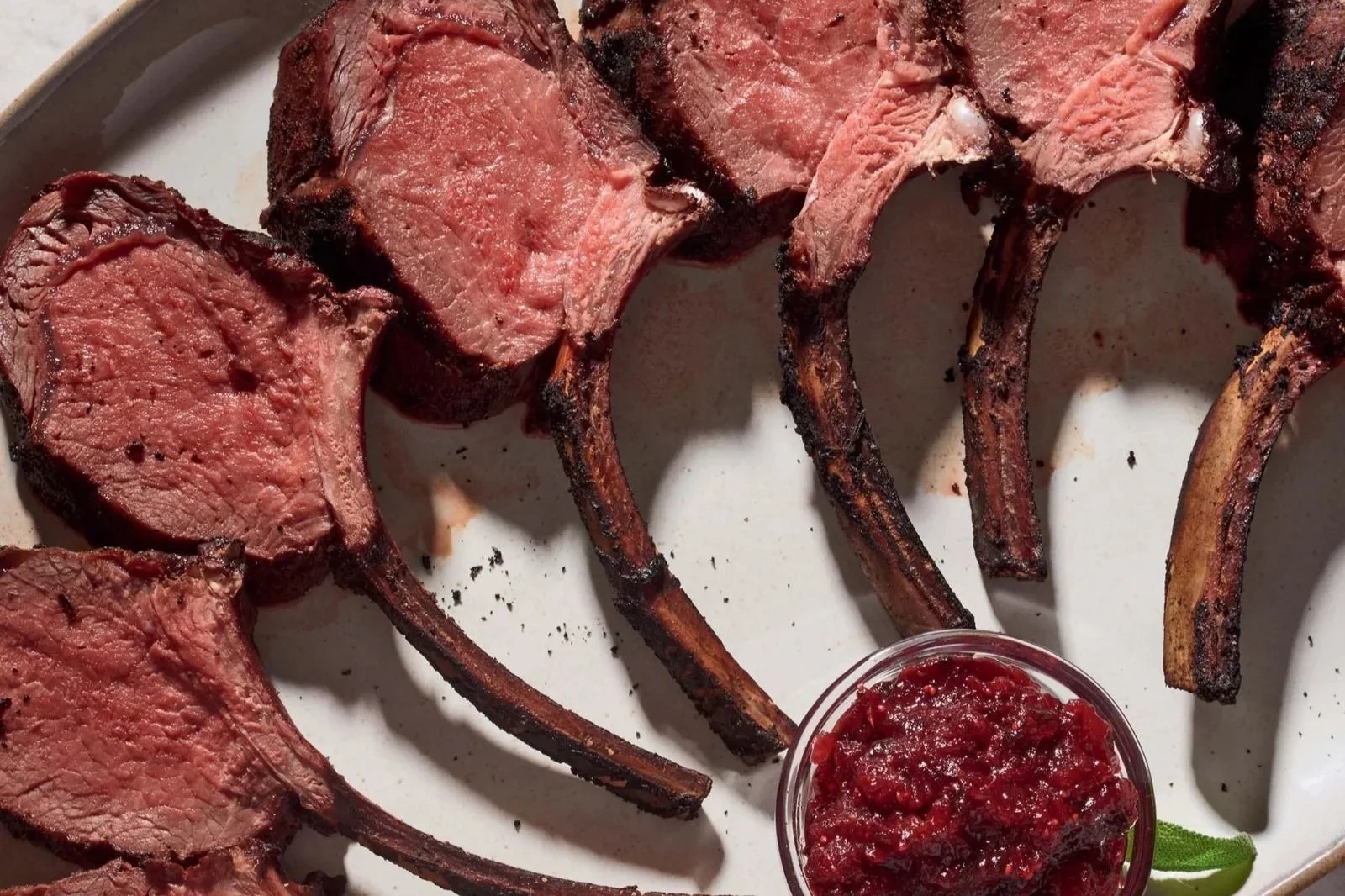
A lean, healthy and tasty option, wild venison offers everything a cook could wish for
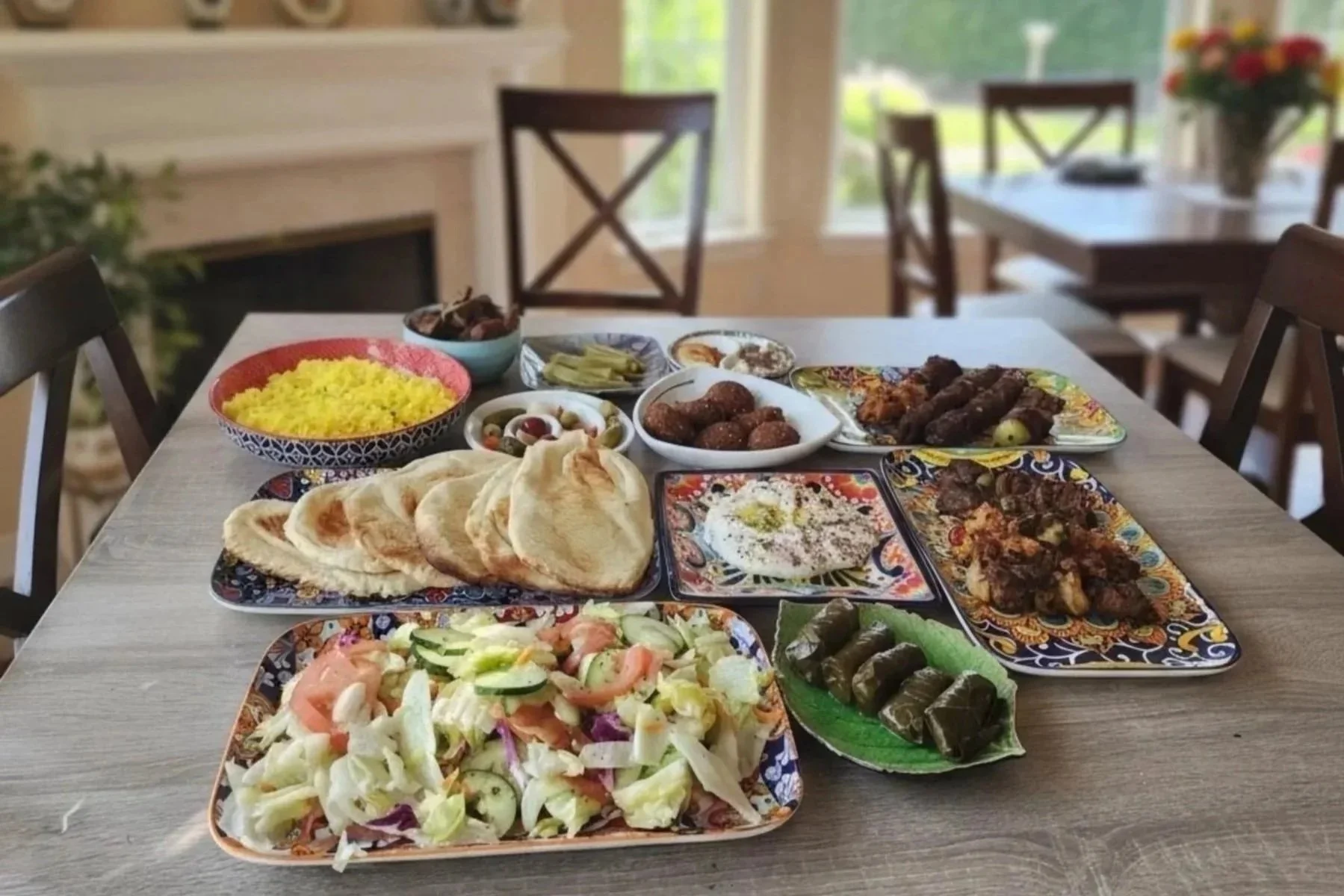
Cookbook enthusiast and ckbk user Amanda Carroll extols the virtues of this lemon and garlic sauce from the Middle East
Advertisement