|
“It is certainly these qualities of precision, of refinement and of fantasy which lie behind the success of one of the country’s most distinguished culinary ambassadors, Anton Mosimann. He is not only an outstanding Chef de cuisine but an arbiter of taste, a creator of ambience.” The late Sir Peter Ustinov in the introduction to The Essential Mosimann
|
|
|
Anton Mosimann is undoubtedly one of the world’s great chefs of the last half century and more. Born in Switzerland in 1947, the only son of restaurateurs in the Jura mountains, he began his own kitchen apprenticeship at the age of 15. By 28 he was appointed Maitre Chef des Cuisines at the Dorchester in London, the youngest ever chef to hold that position. During his 13 years there he was awarded 2 Michelin stars, the first ever hotel kitchen to gain that award outside of France.
|
|
|
|
In addition to his catering company—regularly commissioned to cook for Royal events such as the banquet for Queen Elizabeth II’s Royal Jubilee in 2012—and culinary courses at the Mosimann Academy, in 1988 he opened Mosimann’s his restaurant and club in London’s Belgravia. Now run by Anton’s sons Philipp and Mark, the restaurant is where he has honed the signature style he created while at the Dorchester, Cuisine Naturelle—a lighter reimagination of classical French cooking, with particular emphasis on the integrity, seasonality, and flavor of the natural ingredient.
|
|
|
In The Essential Mosimann—published in 1993 and one of our all-time Top 1000 books—Anton tells the story of his life, and his lifelong draw to the kitchen:
“It was very early on, perhaps when aged seven or eight, that I decided to be a cook when I grew up. I suppose boys usually dream of becoming a racing driver or a pilot or something glamorous, but I always wanted to be a cook, somebody who worked in the kitchen, essentially because I loved handling food. I inherited that from my mother, who was passionate about food. Sometimes as a treat after school she would take me to a pâtisserie for tea and her favourite strawberry gâteau.”
|
|
|
Pictured above: Leek, Mussel and Squid Tortino from The Essential Mosimann
|
|
Flavours from a Malaysian home
|
|
|
A former corporate lawyer in Kuala Lumpur, Jasvinder shares the journey from lawyer to passionate champion of Malaysian food, and the Chinese, Malay and Indian influences that are its core components. She shares details of her meticulous recipe testing—essential to develop recipes usually cooked on instinct in the home into dishes that can be reliably recreated by a cook new to the cuisine.
|
|
|
This instinct is behind her own understanding of each recipe, as she puts it: “When I taste something for the first time, I instinctively break it down into layers. I look for the balance of salt, sweetness, acidity, heat and spice; then the aromatics, herbs and texture.”
|
|
|
Ingredient focus: shallots
|
|
|
The shallot is an allium (of the onion family), that grows as a cluster of bulbs, rather than a single larger bulb. They also grow from the bulb, rather than from seed, and are small and elongated in shape. The resultant shallot has a taste that is more delicate and complex than most other onions, and is a real asset to cooks. It has long been grown and used in a variety of dishes in Asia, before spreading to the Mediterranean and then globally.
|
|
|
|
Shallots can be eaten raw, but cooking brings out their sweet and layered flavors. Explore the recipes in our collection of 12 Ways with Shallots. Try South Indian Shallot Curry, Chicken with Tamarind Sauce, Shallots & Pickled Chillies, or a Shallot Tarte Tatin (pictured above).
|
|
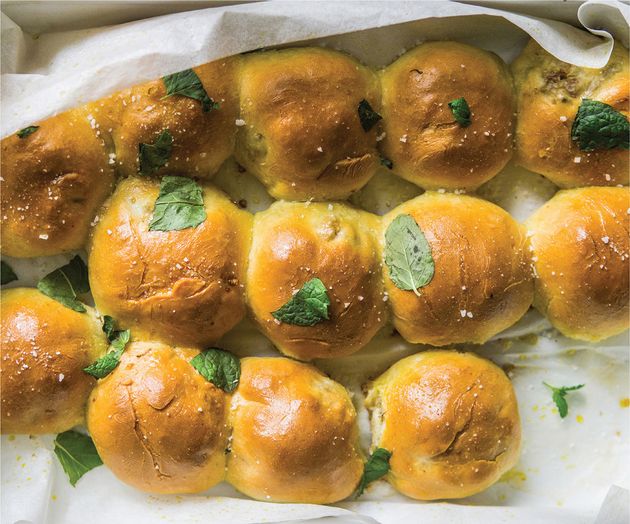
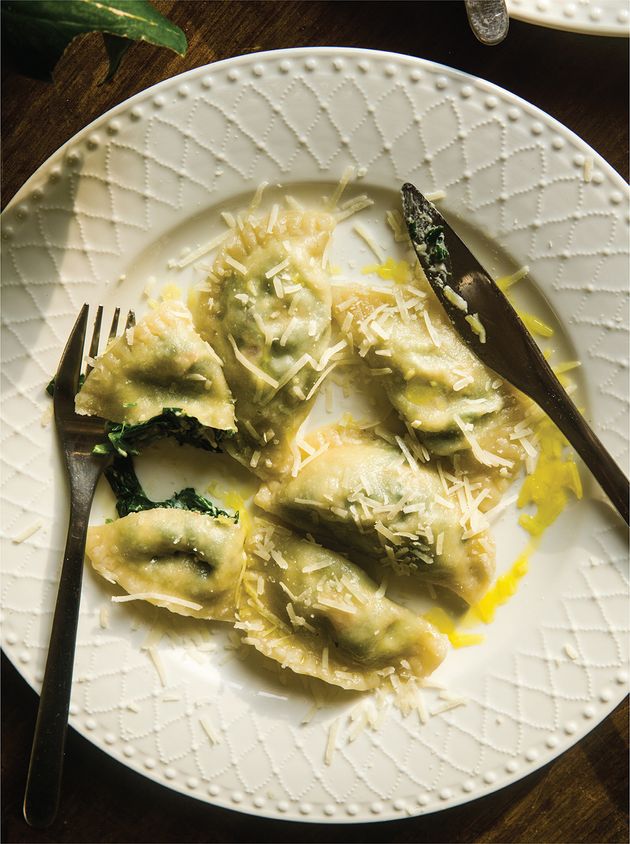
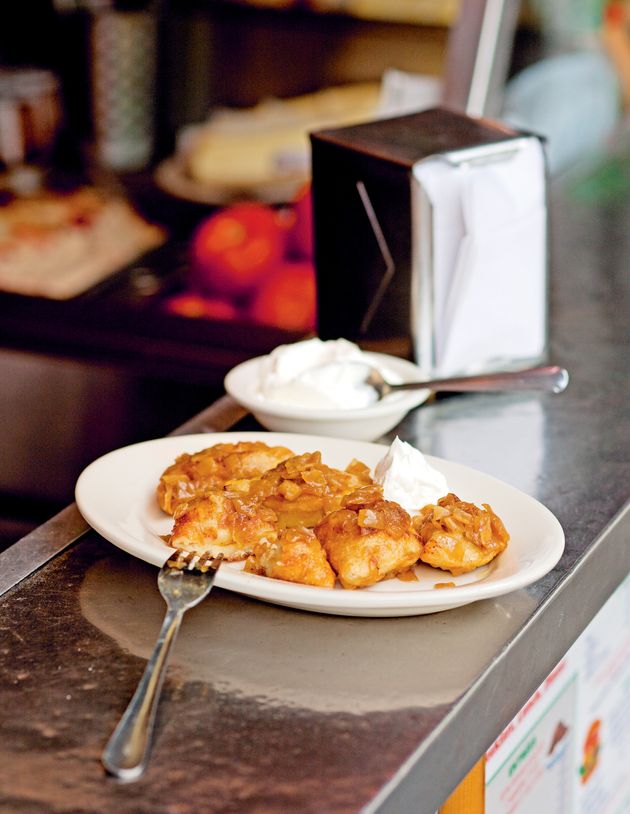
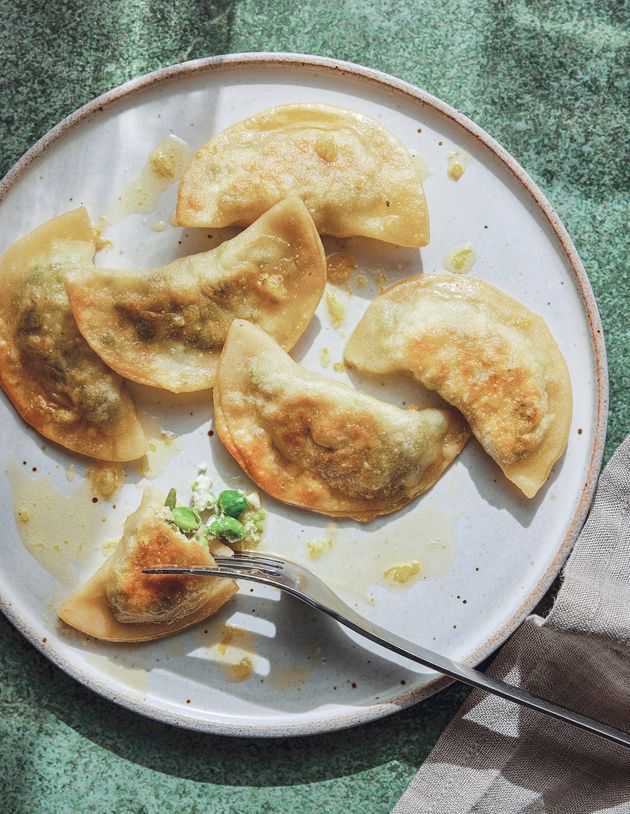
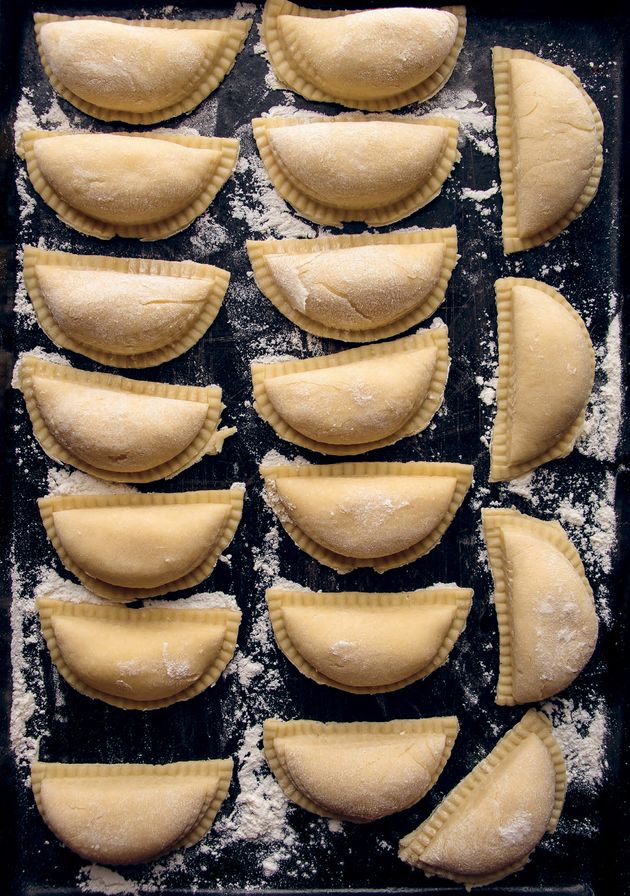
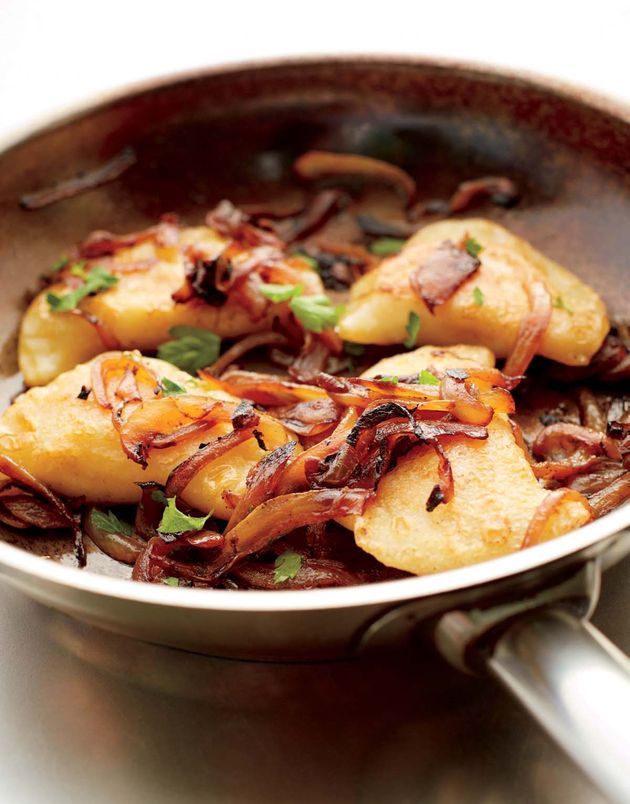
6 of the best pierogis
Eastern European in origin, these stuffed pastries are most often savory, occasionally sweet, always a winner. All you need is a little sour cream for dipping.
|
|
|
|
|
|
from Fresh From Poland by Michał Korkosz
|
|
|
|
from Fresh From Poland by Michał Korkosz
|
|
|
|
|
from New York Cult Recipes by Marc Grossman
|
|
|
|
from Seasons of Greens by Katie Reicher
|
|
|
|
|
from Vegetarian Heartland by Shelly Westerhausen Worcel
|
|
|
|
from Vedge by Kate Jacoby and Rich Landau
|
|
|
|
|
|
|
|
|
|
|
|


